

Product Introduction
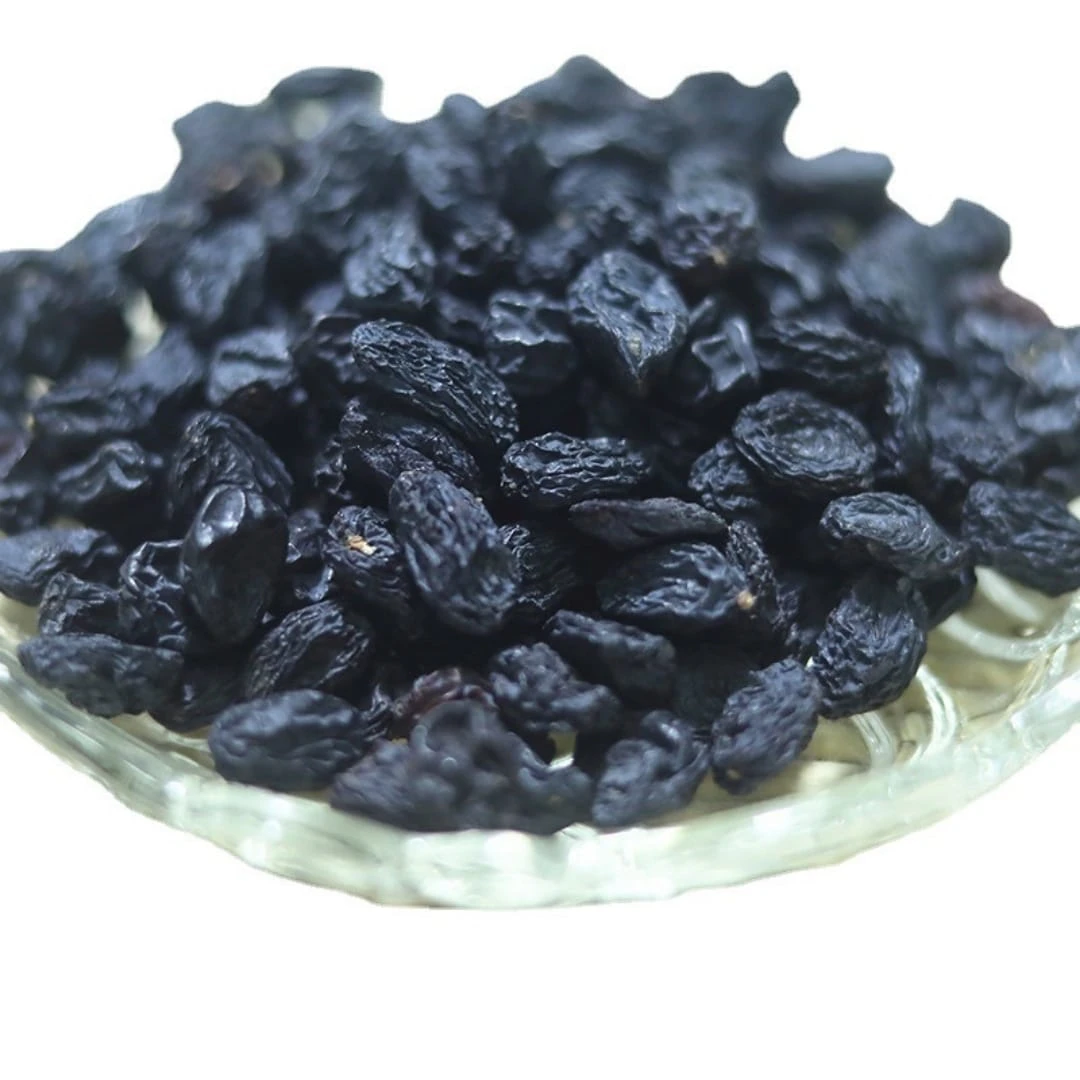
Black currant (Ribes nigrum) is a shrub that produces small, dark berries. The plant is native to central and northern Europe and Asia. Black currants have a long history of use in traditional medicine and culinary applications. The berries are known for their high vitamin C content and antioxidant properties, making them a valuable addition to a healthy diet. Black currants are also used in the production of jams, juices, and liqueurs, providing a distinctive flavor and nutritional benefits.
Main Active Ingredients
The primary active ingredients in black currants include vitamin C, anthocyanins, and other phenolic compounds. Vitamin C is an essential nutrient that supports immune function and acts as an antioxidant. Anthocyanins are responsible for the dark color of the berries and contribute to their antioxidant activity, helping to protect cells from oxidative stress. These compounds are believed to have anti-inflammatory and cardiovascular benefits.
Product Application Scenarios, Usage, and Dosage
Black currants are versatile and can be used in various forms. In culinary applications, they are commonly used in jams, jellies, and baked goods. For medicinal purposes, black currant extracts and supplements are available.
The typical dosage of black currant supplements varies depending on the specific product and the intended use. Generally, a dosage of 100-300 mg of black currant extract per day is recommended. Black currant seed oil, rich in gamma-linolenic acid (GLA), is also used, with dosages ranging from 500-1000 mg daily. It is advisable to consult with a healthcare professional before starting any new supplement regimen.
Introduction to the Source Plant, Distribution, and Growth Environment
The black currant shrub (Ribes nigrum) is a deciduous plant that typically grows to a height of 1 to 2 meters. The plant prefers moist, well-drained soil and partial shade. It is native to central and northern Europe and parts of Asia, where it has been cultivated for centuries. Black currants thrive in temperate climates and are often grown in gardens and commercial farms. The plant produces small, greenish flowers in the spring, followed by the development of the dark purple to black berries in the summer.
Harvesting, Processing, and Storage
Black currants are typically harvested in the summer when the berries are fully ripe and have reached their characteristic dark color. The berries are carefully picked from the bushes and sorted to remove any damaged or unripe fruit. After harvesting, the berries can be used fresh or processed for various applications. For long-term storage, black currants can be frozen, dried, or made into jams and preserves. Proper storage in a cool, dry place helps to maintain the quality and nutritional properties of the berries.
Citations
Mia Wu

Hi, I’m Mia Wu! I love helping customers discover the best natural ingredients for their products. With a passion for herbs, spices, and fungi, I work to make sure you get only the finest raw materials. Let's grow together! 🌱✨