
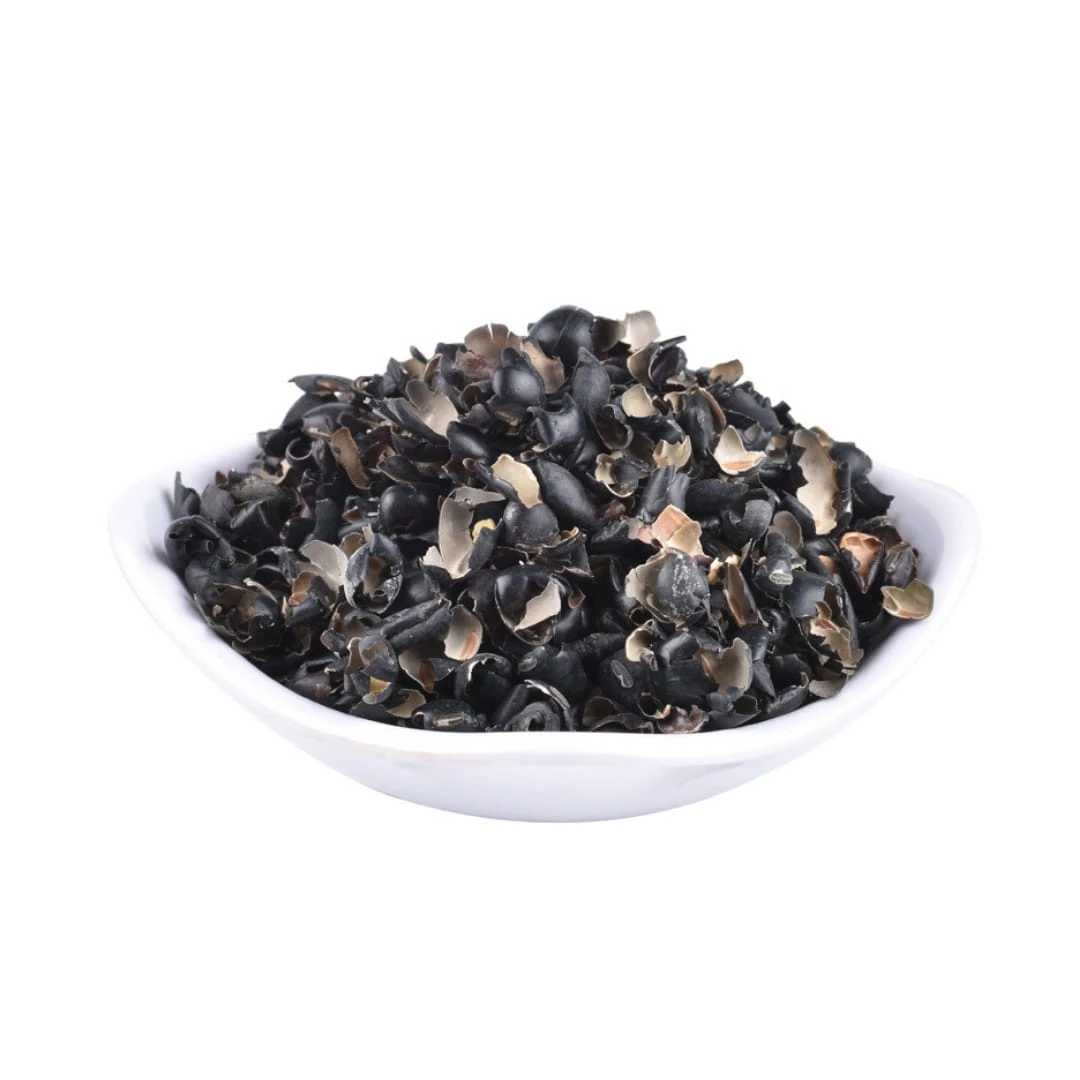


Product Introduction
Black bean peel refers to the outer layer of the black bean seed, primarily utilized for its medicinal properties. It is often separated from the bean through processing techniques. The compounds found within the peel contribute to its potential benefits, making it a valued component in certain traditional practices.
Main Active Ingredients
The primary active ingredients in black bean peel include anthocyanins, which are potent antioxidants, and various flavonoids and phenolic compounds. Anthocyanins, responsible for the dark color, have been studied for their potential role in reducing oxidative stress and inflammation. Flavonoids and other phenolic substances contribute to the overall antioxidant capacity, thereby supporting various health functions.
Product Application Scenarios, Usage, and Dosage
In traditional contexts, black bean peel is used in formulations targeting fluid balance and detoxification. It is sometimes used to improve eyesight and support kidney health. The usage typically involves decoction, where the peel is boiled in water, and the resulting liquid is consumed. Dosage varies based on the specific application and the individual's condition but generally ranges from 3 to 9 grams daily.
Introduction to the Source Plant, Distribution, and Growth Environment
The source plant, Glycine max (L.) Merr., is a member of the Fabaceae family, widely cultivated across the globe. Soybeans, including black beans, thrive in environments with warm temperatures and sufficient moisture during the growing season. The plant is adaptable to various soil types but prefers well-drained soil. Major cultivation regions include Asia, North and South America.
Harvesting, Processing, and Storage
Harvesting of black beans occurs when the plants reach maturity and the pods have dried. The beans are then threshed to separate them from the plant material. The peel is typically removed during processing, often through methods like milling or soaking. Proper storage of black bean peel involves drying it thoroughly and keeping it in airtight containers in a cool, dry, and dark environment to maintain its potency and prevent degradation.
Citations
- National Center for Biotechnology Information (NCBI).
- Chinese Pharmacopoeia Commission. Pharmacopoeia of the People's Republic of China. Beijing: China Medical Science and Technology Press; 2020.
- USDA National Nutrient Database.
Mia Wu

Hi, I’m Mia Wu! I love helping customers discover the best natural ingredients for their products. With a passion for herbs, spices, and fungi, I work to make sure you get only the finest raw materials. Let's grow together! 🌱✨







