

Product Introduction
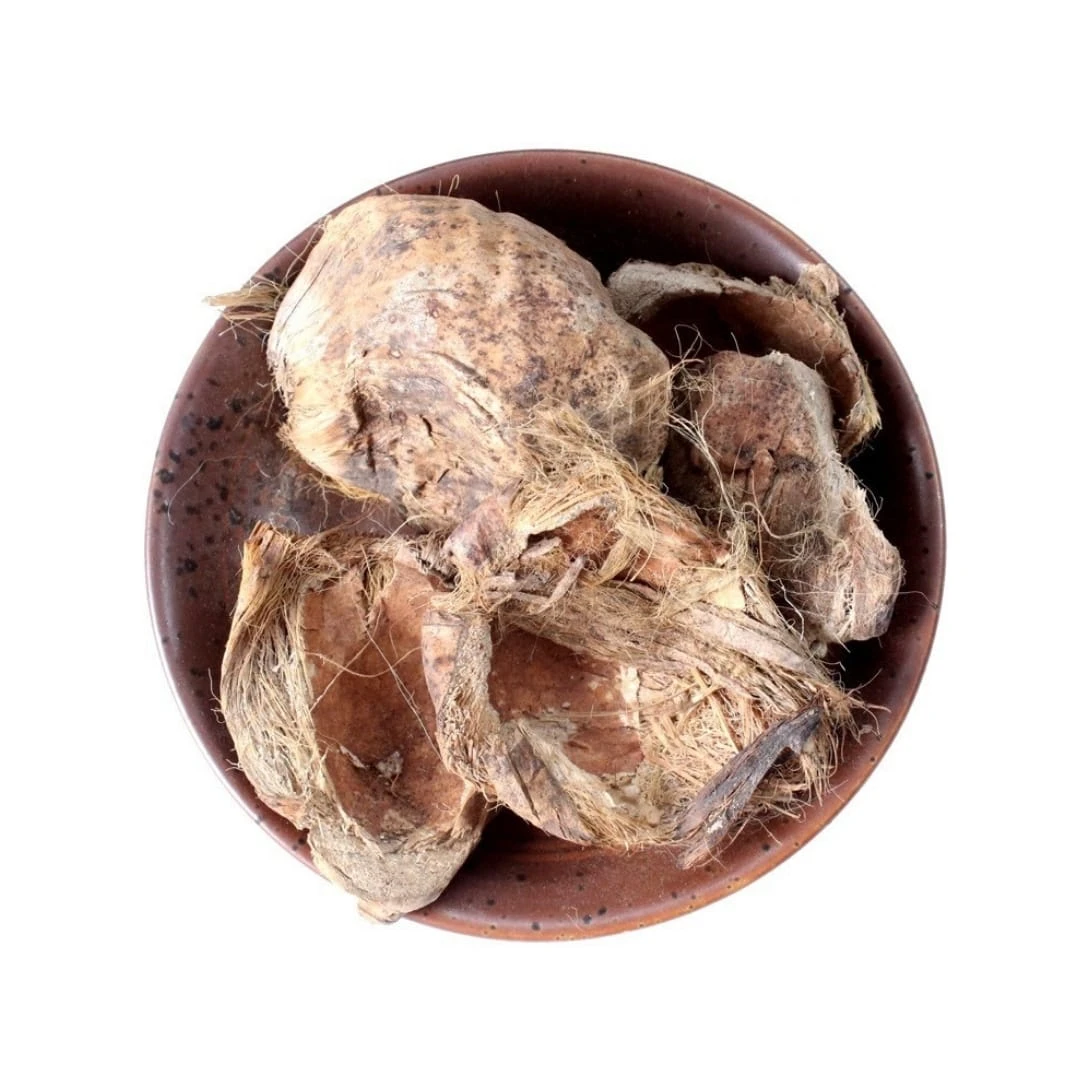
Betel Nut Peel, derived from the Areca catechu tree, has a history of use in traditional medicine systems across Asia. It is essentially the outer covering of the betel nut. The peel is valued for its potential health-supporting properties, primarily related to digestion and fluid metabolism. It is not the same as the betel nut itself, which has different properties and applications.
Main Active Ingredients
The primary active ingredients found in Betel Nut Peel include tannins, which contribute to its astringent properties. Alkaloids are also present, though in different concentrations than in the nut itself. Furthermore, the peel contains a significant amount of fiber. These compounds are believed to be responsible for its traditional medicinal uses.
Product Application Scenarios, Usage, and Dosage
In traditional applications, Betel Nut Peel is used to address digestive issues and promote fluid balance within the body. It's commonly prepared as a decoction, where the dried peel is boiled in water, and the resulting liquid is consumed. The typical dosage varies, but it is often in the range of 3 to 9 grams per day, adjusted based on individual needs and the guidance of a healthcare practitioner. It may also be used topically in some traditional practices.
Introduction to the Source Plant, Distribution, and Growth Environment
The Areca catechu tree, the source of Betel Nut Peel, is a palm that thrives in tropical climates. It is widely cultivated in regions of South and Southeast Asia, including India, Indonesia, and the Philippines. This tree prefers warm, humid environments with well-drained soil. It typically grows to a height of 20 to 30 meters and is a significant part of the agricultural landscape in these areas.
Harvesting, Processing, and Storage
The harvesting of Betel Nut Peel occurs when the betel nuts are collected. After the nuts are harvested, the peel is separated and typically dried in the sun. Proper drying is essential to prevent mold growth and maintain the quality of the peel. Once dried, it should be stored in a cool, dry, and well-ventilated location to preserve its properties. Appropriate storage helps retain its efficacy and prevents degradation over time.
Mia Wu

Hi, I’m Mia Wu! I love helping customers discover the best natural ingredients for their products. With a passion for herbs, spices, and fungi, I work to make sure you get only the finest raw materials. Let's grow together! 🌱✨