
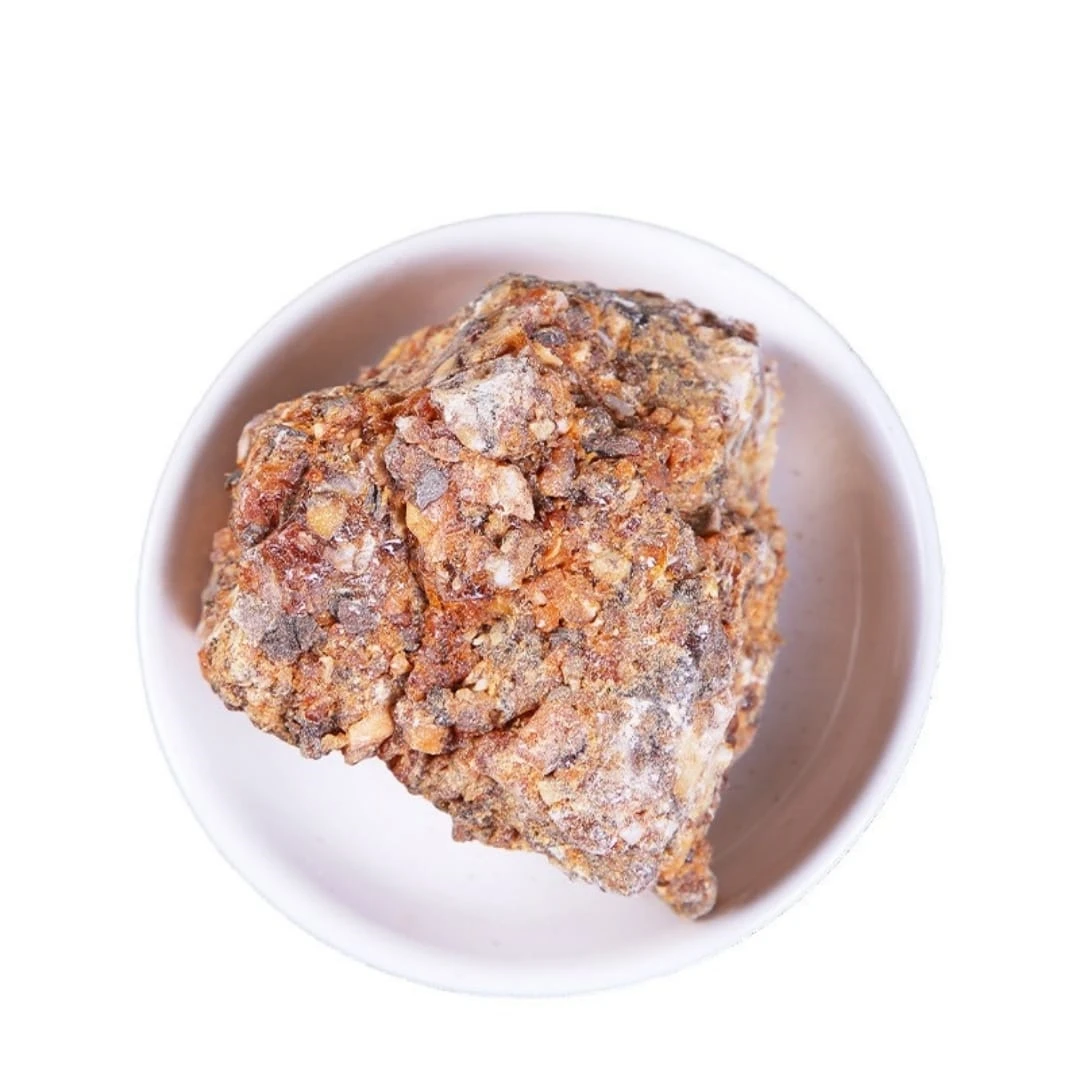


Product Introduction
Benzoin is a resinous substance derived from trees of the Styrax genus, particularly Styrax benzoin and Styrax tonkinensis. This resin has a long history of use in various cultures for its medicinal and aromatic properties. It is characterized by its sweet, balsamic aroma, which is often compared to vanilla. Benzoin is commonly used in incense, perfumes, and traditional medicine. Its therapeutic applications range from treating skin ailments to alleviating respiratory issues. The resin is collected through incisions made in the tree bark, from which it exudes and hardens upon exposure to air.
Main Active Ingredients
The key active constituents of benzoin resin include benzoic acid and cinnamic acid. These compounds contribute significantly to its pharmacological effects. Benzoic acid is known for its antiseptic and anti-inflammatory properties. Cinnamic acid, similarly, exhibits antimicrobial and antioxidant activities. Other components, such as esters like coniferyl benzoate and vanillin, contribute to the resin's characteristic fragrance and may have additional therapeutic benefits. The specific composition can vary somewhat depending on the species of Styrax and the geographical origin of the resin.
Product Application Scenarios, Usage, and Dosage
Benzoin finds application across diverse scenarios, from traditional medicine to cosmetic formulations. In TCM, it is often prescribed to invigorate blood circulation, alleviate pain, and resolve phlegm. Commonly, it is used to address conditions, such as chest pain, abdominal discomfort, and skin ulcers. As for aromatherapy, benzoin is inhaled to reduce stress and anxiety. Topically, benzoin tincture or diluted resin can be applied to minor cuts, wounds, or skin irritations. The dosage varies depending on the form and application. For internal use, a typical dosage in TCM might involve 3 to 9 grams of the resin, usually in decoction form. For external applications, a dilute tincture or ointment is generally used.
Introduction to the Source Plant, Distribution, and Growth Environment
Styrax benzoin and Styrax tonkinensis are the primary plant sources of benzoin resin. Styrax benzoin is native to Sumatra, Indonesia, while Styrax tonkinensis is found in Southeast Asia, particularly in Vietnam, Laos, and Thailand. These trees thrive in tropical and subtropical climates, typically in mountainous regions with well-drained soils. They prefer full to partial sunlight and require adequate moisture. The trees typically grow to a height of 20 meters. Cultivation often involves sustainable harvesting practices to ensure the long-term viability of the resin production.
Harvesting, Processing, and Storage
The harvesting of benzoin resin is a labor-intensive process. Incisions are made in the bark of the Styrax trees, and the resinous exudate is collected after it hardens over several months. This resin is then sorted, cleaned, and graded based on its color, purity, and aroma. Processing may involve grinding the resin into a powder or dissolving it in alcohol to create a tincture. Proper storage is essential to maintain the quality and potency of benzoin. The resin should be stored in airtight containers, away from direct sunlight, heat, and moisture. Under these conditions, benzoin can retain its properties for several years.
Citations
- National Center for Biotechnology Information (2023). PubChem Compound Summary for CID 7424, Benzoic Acid. Retrieved from https://pubchem.ncbi.nlm.nih.gov/compound/Benzoic-Acid
- National Center for Biotechnology Information (2023). PubChem Compound Summary for CID 684280, Cinnamic acid. Retrieved from https://pubchem.ncbi.nlm.nih.gov/compound/Cinnamic-acid
- Benzoin. ScienceDirect. https://www.sciencedirect.com/topics/agricultural-and-biological-sciences/benzoin
Mia Wu

Hi, I’m Mia Wu! I love helping customers discover the best natural ingredients for their products. With a passion for herbs, spices, and fungi, I work to make sure you get only the finest raw materials. Let's grow together! 🌱✨







