
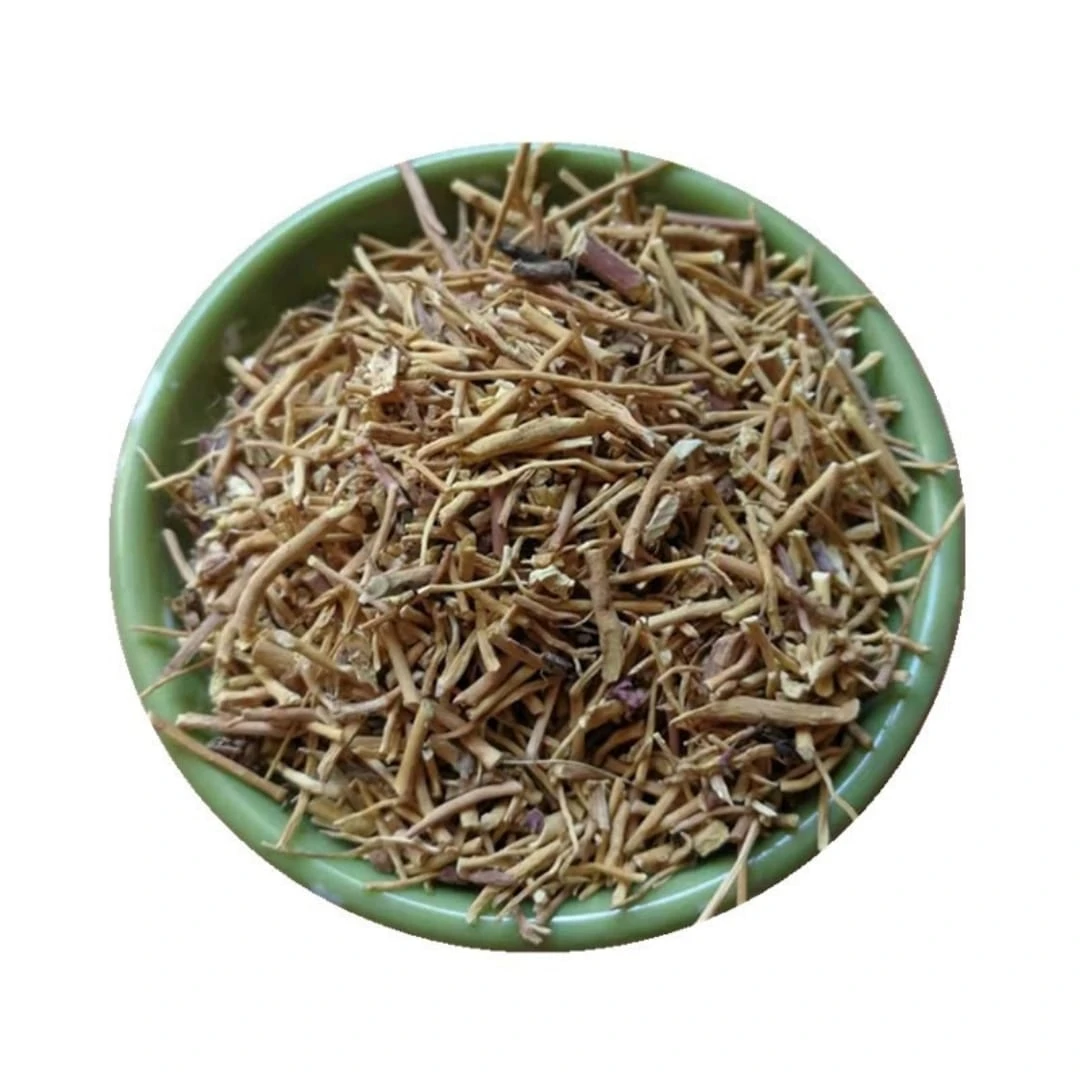


Product Introduction
Baiwei, scientifically known as Cynanchum atratum, is a perennial herb used in traditional Chinese medicine. The medicinal part is the dried root and rhizome. It has been historically valued for its therapeutic properties, addressing a range of conditions from respiratory ailments to inflammatory issues.
Main Active Ingredients
The key active components in Baiwei primarily consist of glycosides, notably including cynatratoside A and B. These compounds are believed responsible for the herb’s medicinal effects. Further research suggests the presence of alkaloids and flavonoids, which may contribute to its therapeutic actions. [^1]
Product Application Scenarios, Usage, and Dosage
In traditional Chinese medicine, Baiwei is commonly prescribed for coughs, sore throats, and lung-related conditions. It is often used in decoctions, with typical dosages ranging from 3 to 9 grams daily. Baiwei can be combined with other herbs to enhance its effects, but should be used with caution in individuals with spleen deficiency or diarrhea. [^2] Its properties help to clear heat and resolve toxicity.
Introduction to the Source Plant, Distribution, and Growth Environment
Cynanchum atratum is a perennial climbing plant, typically found in hilly or mountainous regions. It is distributed across several provinces in China, including Hebei, Shanxi, and Shandong. The plant thrives in sunny or partially shaded environments, preferring well-drained soils. Its vine-like stems can reach several meters in length. [^3]
Harvesting, Processing, and Storage
The roots and rhizomes of Cynanchum atratum are usually harvested in the autumn. After harvesting, the plant material is cleaned, dried, and cut into sections. Proper drying prevents mold and maintains the herb's potency. Baiwei should be stored in a cool, dry place, away from direct sunlight, and protected from moisture to ensure its quality and efficacy. It is crucial to store it correctly to preserve its properties over time.
[^1]: Jiangsu New Medical College. (1977). Dictionary of Chinese Materia Medica. Shanghai People's Publishing House.
[^2]: 国家药典委员会. (2020). 中华人民共和国药典 一部. 中国医药科技出版社.
[^3]: Flora of China Editorial Committee. (2011). Flora of China. Missouri Botanical Garden Press.
Mia Wu

Hi, I’m Mia Wu! I love helping customers discover the best natural ingredients for their products. With a passion for herbs, spices, and fungi, I work to make sure you get only the finest raw materials. Let's grow together! 🌱✨







