
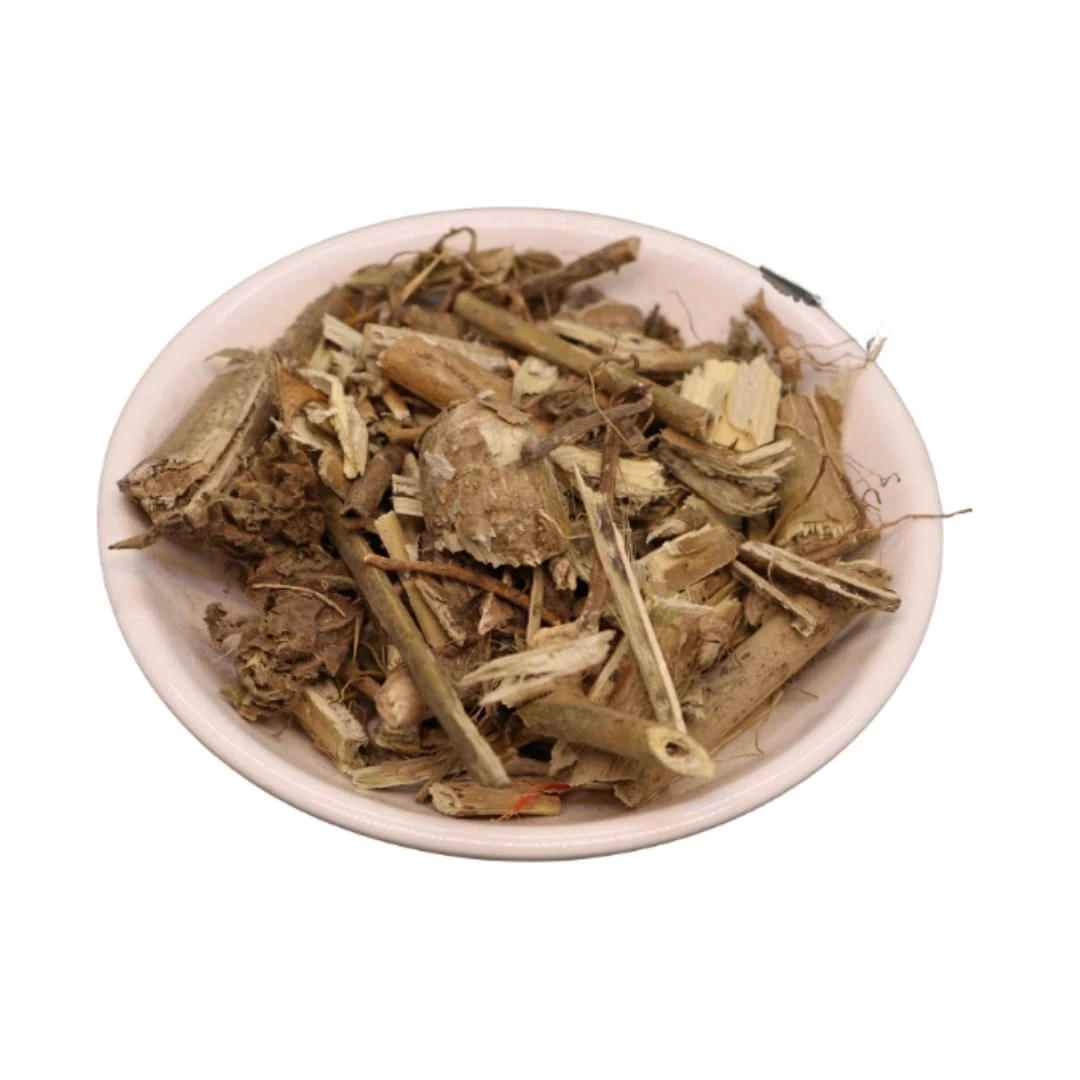


Product Introduction
Atropa belladonna, commonly known as deadly nightshade, is a perennial plant belonging to the Solanaceae family, known for its potent medicinal and toxic properties. Historically, it has been used for various purposes, ranging from cosmetic applications to medicinal treatments, and even as a poison. The plant's name "belladonna," meaning "beautiful woman" in Italian, derives from its historical use by women to dilate their pupils, which was considered attractive, although this practice is dangerous due to the plant's toxicity. The primary use of belladonna is linked to its anticholinergic effects, stemming from its tropane alkaloids.
Main Active Ingredients
The key active ingredients in Atropa belladonna are atropine, scopolamine, and hyoscyamine. Atropine is a potent anticholinergic agent that blocks the action of acetylcholine, a neurotransmitter. This action results in effects such as increased heart rate, decreased saliva production, and reduced gastrointestinal motility. Scopolamine also acts as an anticholinergic, with additional sedative and antiemetic properties. Hyoscyamine shares similar anticholinergic effects and contributes to the overall pharmacological profile of belladonna. These alkaloids exert their effects by competitively inhibiting muscarinic acetylcholine receptors in various tissues and organs.
Product Application Scenarios, Usage, and Dosage
Belladonna has found applications in several medical scenarios, primarily due to its anticholinergic effects. It is used to treat conditions such as irritable bowel syndrome (IBS) to reduce gastrointestinal spasms, excessive sweating (hyperhidrosis), and to dilate pupils (mydriasis) for eye examinations. In anesthesia, it serves to reduce respiratory secretions. The dosage must be carefully controlled due to belladonna's toxicity. Typically, belladonna is administered in very small, precisely measured doses, often in the form of standardized alkaloid salts. Usage and dosage must be determined and monitored by qualified healthcare professionals to avoid adverse effects.
Introduction to the Source Plant, Distribution, and Growth Environment
Atropa belladonna is native to Europe, North Africa, and Western Asia, thriving in shady, moist environments, such as woodlands and disturbed grounds with calcareous soils. It is a perennial herbaceous plant that can grow up to 1.5 meters tall. The plant features dark green, ovate leaves, bell-shaped, purplish flowers, and characteristic shiny black berries when mature. Belladonna prefers rich, well-drained soil and partial shade, often found in areas with limestone bedrock. Its distribution has expanded beyond its native range due to cultivation and naturalization in other temperate regions.
Harvesting, Processing, and Storage
The leaves and roots of Atropa belladonna are harvested for medicinal purposes. Harvesting typically occurs during the flowering stage, when the alkaloid content is at its peak. After harvesting, the plant material is carefully dried to reduce moisture content and prevent degradation. The dried material is then processed to extract the active alkaloids, which are standardized and formulated into pharmaceutical preparations. Proper storage is essential to maintain the potency and safety of belladonna. It should be stored in airtight containers, protected from light and moisture, and kept in a cool, dry place. Given its toxicity, it must be stored securely and out of reach of children and animals.
Citations:
- Evans, W. C. (2009). Trease and Evans' Pharmacognosy. Elsevier Health Sciences.
- Wink, M. (Ed.). (2013). Toxicology of natural products. John Wiley & Sons.
- Bruneton, J. (1999). Pharmacognosy, Phytochemistry, Medicinal Plants. Lavoisier Publishing.
- Frohne, D., & Pfänder, H. J. (2005). Poisonous Plants: A Handbook for Doctors, Pharmacists, Toxicologists, Biologists and Veterinarians. CRC press.
- Stuart, M. (1979). The Encyclopedia of Herbs and Herbalism. London: Orbis Publishing.
- Grieve, M. (1931). A Modern Herbal. London: Cape.
Mia Wu

Hi, I’m Mia Wu! I love helping customers discover the best natural ingredients for their products. With a passion for herbs, spices, and fungi, I work to make sure you get only the finest raw materials. Let's grow together! 🌱✨







