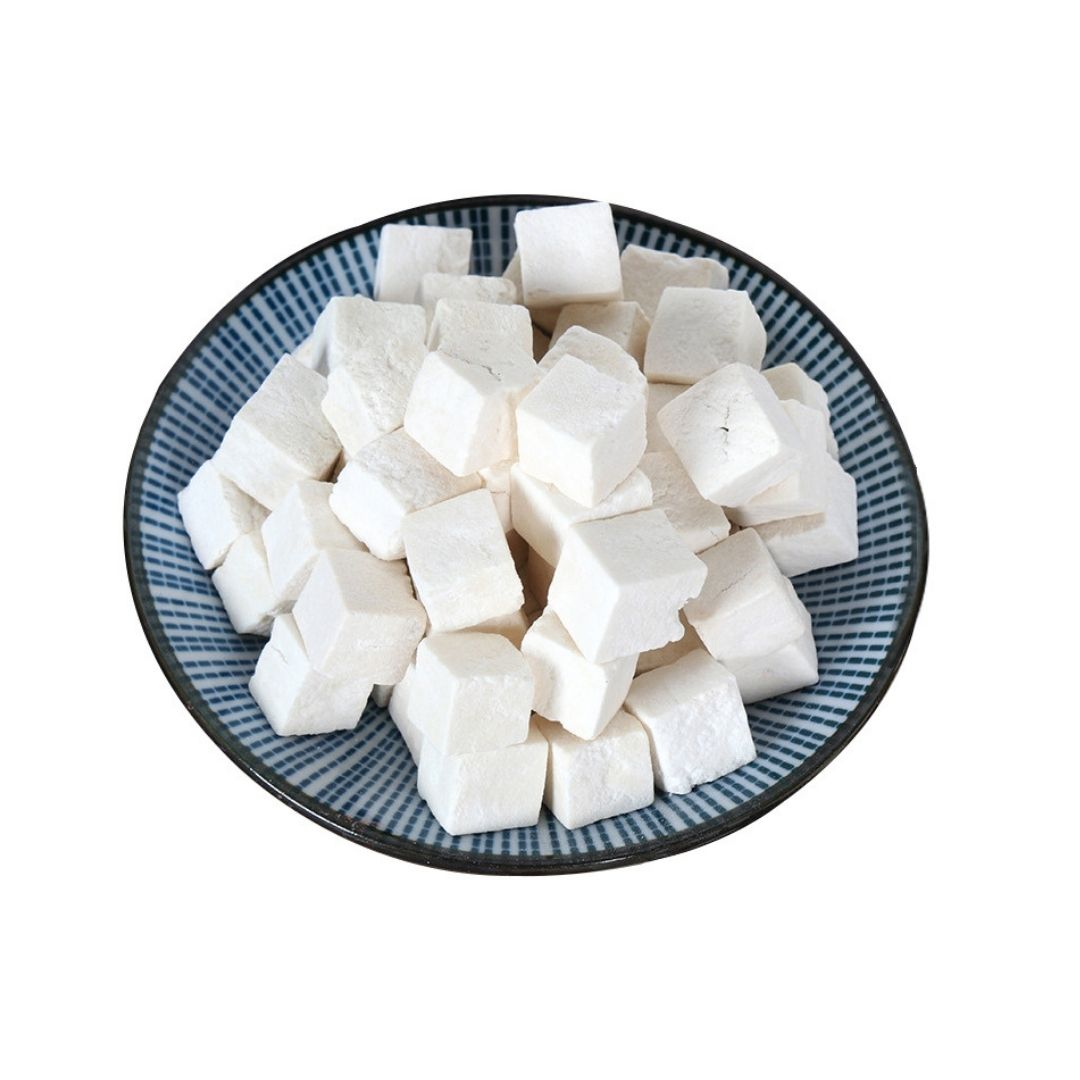
Product Introduction
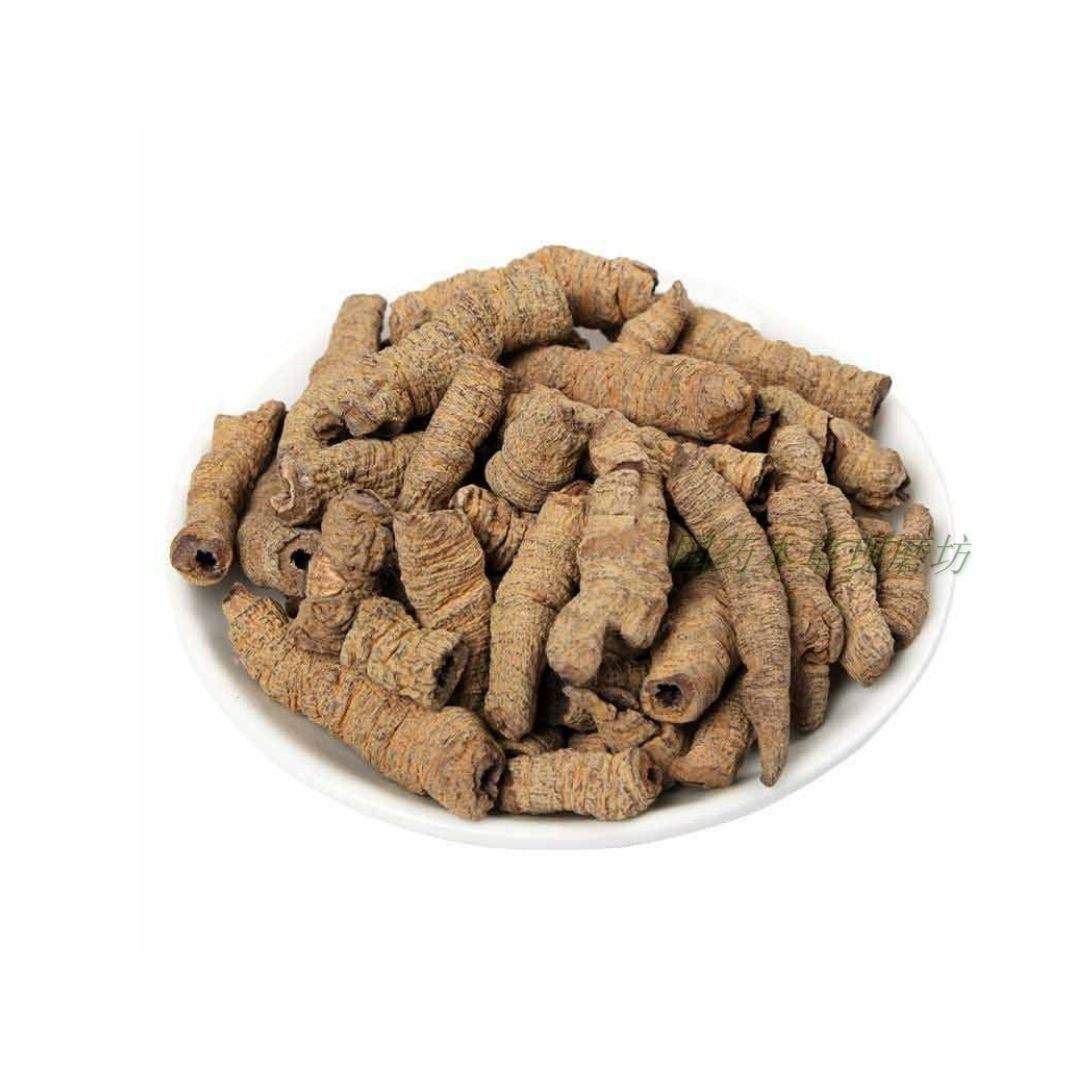
Asparagi Radix, known as Tian Men Dong in Chinese, is derived from the dried roots of Asparagus cochinchinensis. This herb has been used in Traditional Chinese Medicine (TCM) for centuries due to its therapeutic properties. Asparagi Radix is valued for its ability to nourish yin, clear heat, and moisten dryness, addressing various conditions related to deficient yin and dryness in the body.[1]
Main Active Ingredients
The primary active ingredients in Asparagi Radix include steroidal saponins, such as asparanin A, and oligosaccharides. These compounds contribute to the herb's pharmacological effects, including its anti-inflammatory, antioxidant, and antitussive properties. Steroidal saponins, in particular, are known for their ability to modulate the immune system and protect against cellular damage caused by free radicals. The oligosaccharides help to moisten the lungs and intestines, alleviating dryness and promoting healthy digestive function. [2]
Product Application Scenarios, Usage, and Dosage
Asparagi Radix is used in various TCM formulations to address conditions such as dry cough, sore throat, and constipation. It is often prescribed for individuals experiencing symptoms of yin deficiency, such as night sweats, dry skin, and irritability. The herb can also be used to promote lactation in postpartum women. Typically, the dosage ranges from 6 to 12 grams per day, usually administered in decoction form. Asparagi Radix can be combined with other herbs to enhance its therapeutic effects, depending on the specific condition being treated. It is important to consult with a qualified TCM practitioner to determine the appropriate dosage and combination of herbs.[3]
Introduction to the Source Plant, Distribution, and Growth Environment
Asparagus cochinchinensis is a perennial climbing plant belonging to the Asparagaceae family. It is native to East Asia, including China, Japan, and Korea. The plant thrives in moist, well-drained soils and is often found in forests, thickets, and along roadsides. It prefers partial shade but can tolerate full sun. The plant is characterized by its slender stems, needle-like leaves, and small, greenish-white flowers. The roots are fleshy and tuberous, which are harvested for medicinal purposes. [4]
Harvesting, Processing, and Storage
The roots of Asparagus cochinchinensis are typically harvested in the autumn or winter when the plant is dormant. After harvesting, the roots are cleaned, and the outer bark is removed. The roots are then dried in the sun or using a mechanical dryer until they are brittle. The dried roots are sliced into thin pieces before being used in herbal preparations. Proper storage is essential to maintain the quality and potency of Asparagi Radix. It should be stored in a cool, dry place, protected from moisture and direct sunlight. Properly stored, Asparagi Radix can maintain its therapeutic properties for several years.[5]
Citations:
- Chen, J. K., & Chen, T. T. (2004). Chinese Medical Herbology and Pharmacology. Art of Medicine Press.
- Li, X., et al. (2017). Steroidal saponins from Asparagus officinalis and their biological activities. Journal of Agricultural and Food Chemistry, 65(12), 2415-2425.
- Bensky, D., Clavey, S., & Stöger, E. (2004). Chinese Herbal Medicine: Materia Medica, 3rd ed. Seattle, WA: Eastland Press.
- Flora of China Editorial Committee. (2011). Flora of China (Vol. 24). Beijing: Science Press; St. Louis: Missouri Botanical Garden Press.
- Yeung, H. C. (1985). Handbook of Chinese Herbs and Formulas. Los Angeles, CA: Institute of Chinese Medicine.
Mia Wu

Hi, I’m Mia Wu! I love helping customers discover the best natural ingredients for their products. With a passion for herbs, spices, and fungi, I work to make sure you get only the finest raw materials. Let's grow together! 🌱✨