

Product Introduction
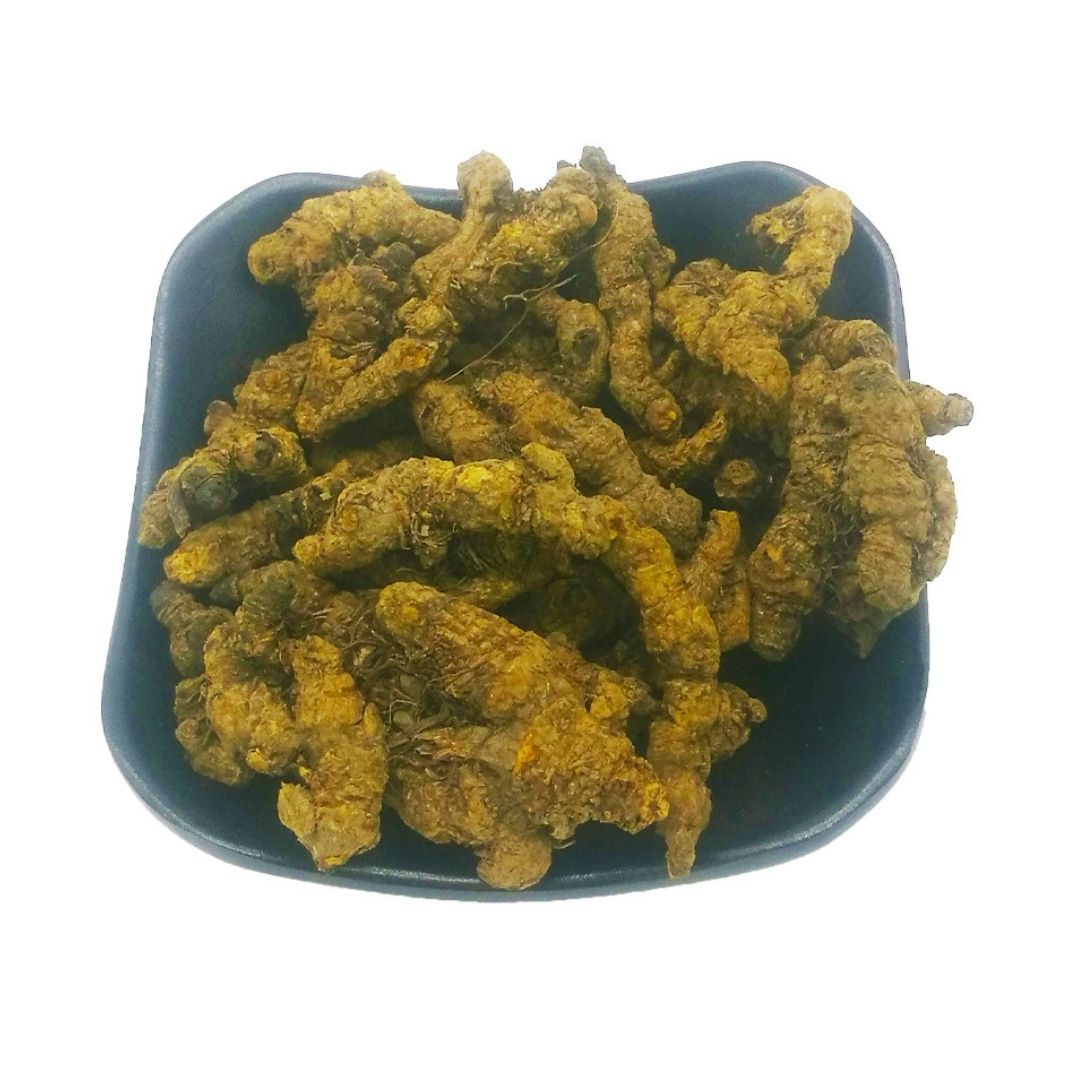
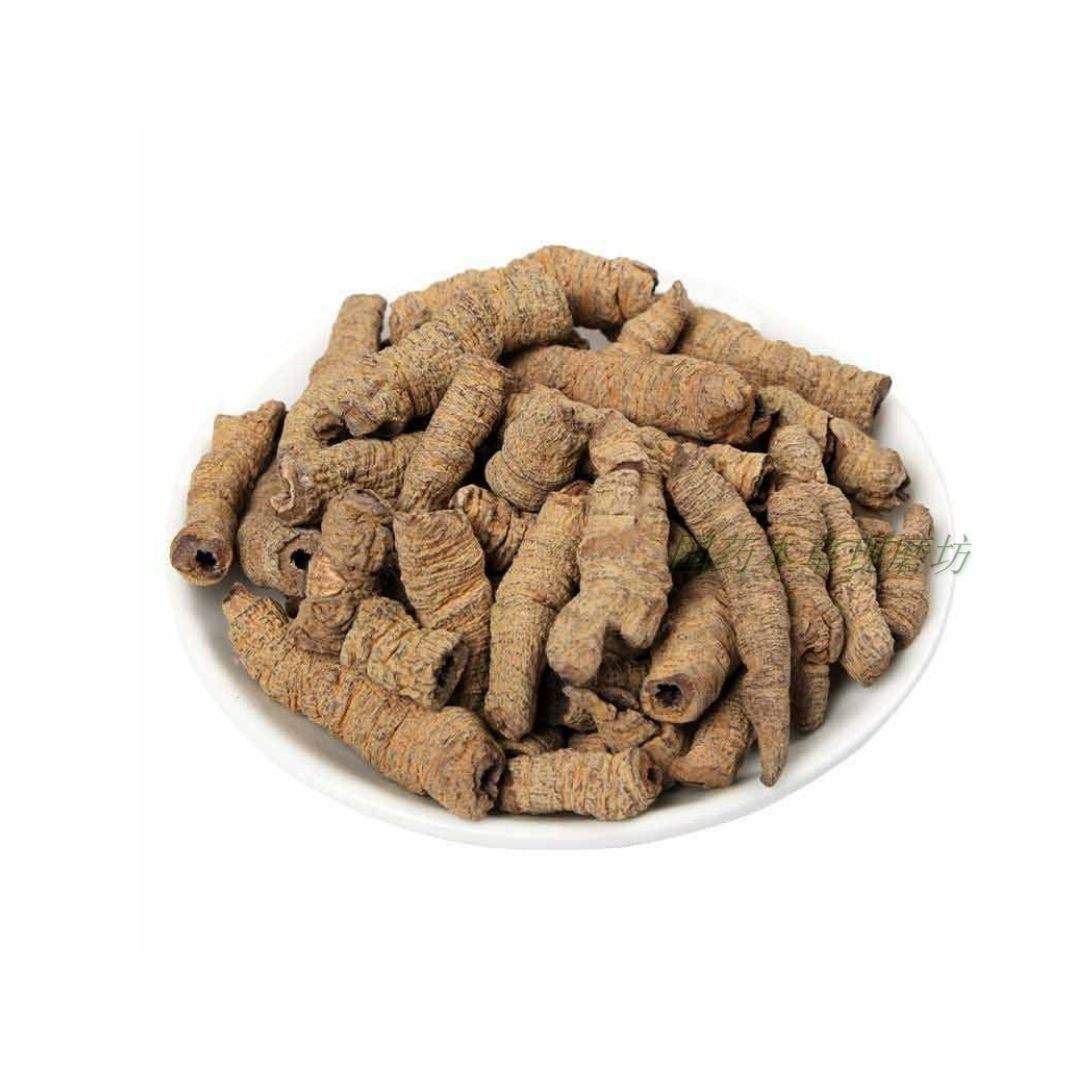
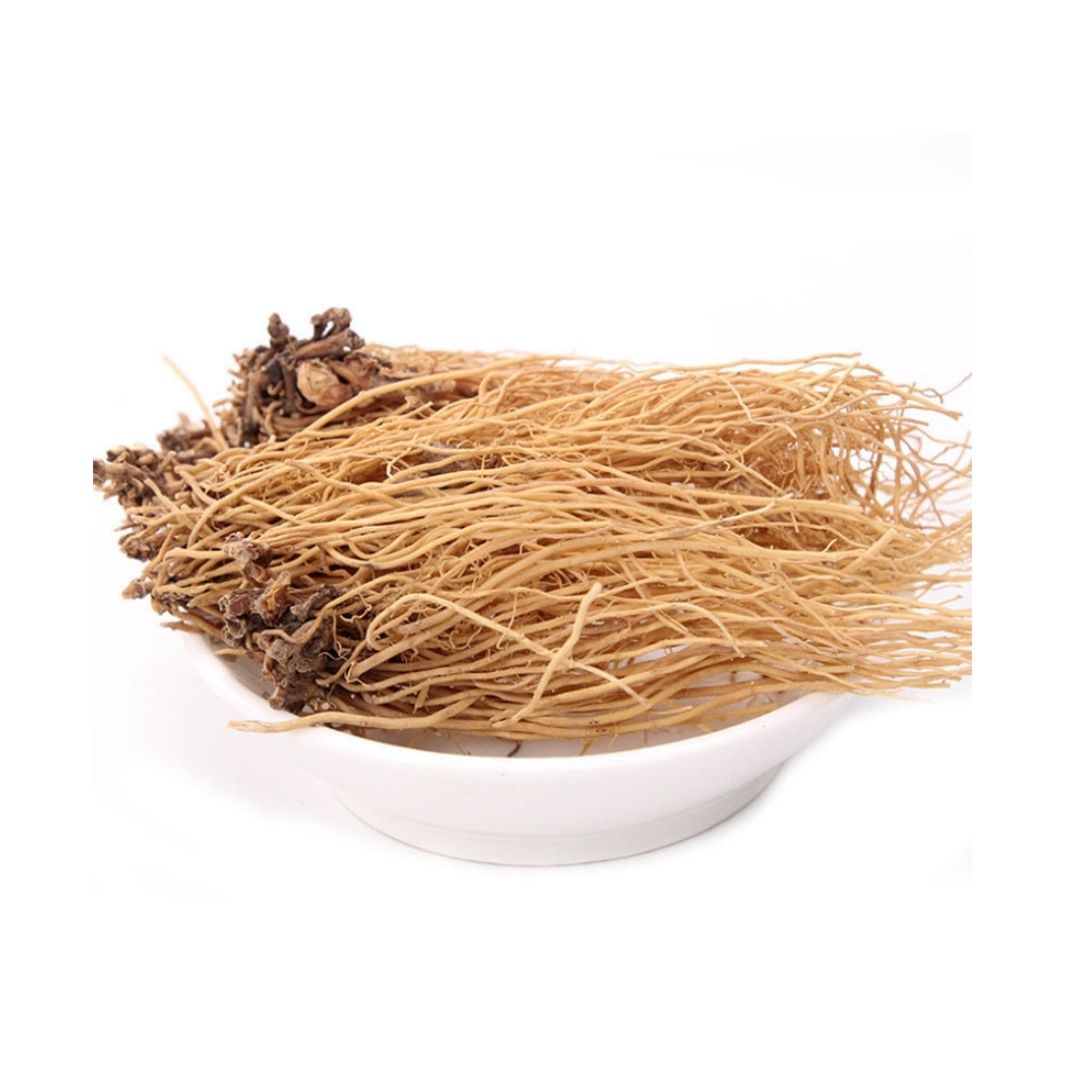
Asarum is a traditional Chinese medicine derived from the Asarum plant species, valued for its potent medicinal properties. Different Asarum species, including Asarum sieboldii, Asarum heterotropoides, and Asarum forbesii, serve as the primary sources for this herb. The plant's rhizomes and roots are harvested and processed for use in various herbal formulations. For centuries, Asarum has been utilized to address various health conditions, mainly related to pain relief and the management of symptoms associated with cold and dampness. It is a warming and dispersing herb, often used in small dosages due to its strength and potential toxicity.
Main Active Ingredients
The main active ingredients in Asarum include aristolochic acid, volatile oils like asarone and eugenol, and a variety of phenolic compounds. Aristolochic acid is one of the most well-known components, which has led to concerns regarding the herb's safety due to its nephrotoxic properties. Volatile oils such as asarone and eugenol contribute to Asarum's characteristic aroma and are thought to contribute to its medicinal effects, particularly in promoting circulation and relieving pain. Other phenolic compounds present in Asarum contribute to the herb's antioxidant and anti-inflammatory properties.
Product Application Scenarios, Usage, and Dosage
Asarum is traditionally used to dispel wind, eliminate dampness, and alleviate pain, it is often included in formulations targeting conditions such as headaches, toothaches, and rheumatic pains. Due to its warming nature, it is beneficial in treating ailments caused or aggravated by cold and damp environments. It facilitates the opening of the sensory orifices and relieves nasal congestion, making it beneficial for alleviating nasal congestion caused by colds or allergies. The typical dosage of Asarum is very low, generally ranging from 1 to 3 grams, for decoction, and used under the supervision of an experienced practitioner, mainly because of the compound's potential toxicity. It can also be found in some topical applications, such as liniments or plasters, designed for pain relief.
Introduction to the Source Plant, Distribution, and Growth Environment
Asarum plants are perennial herbs typically found growing in shaded, moist environments such as forests and woodlands. Asarum sieboldii is commonly found in Japan, Korea, and parts of China. Asarum heterotropoides is distributed in Northeast China, Korea and Russia. Asarum forbesii is native to specific regions within China. These plants typically thrive in humus-rich soil with good drainage. Their preference for shade and moisture influences their distribution and abundance within their native habitats.
Harvesting, Processing, and Storage
Asarum is typically harvested in the autumn or spring. The rhizomes and roots are collected, cleaned, and dried. Traditional processing methods may involve sun-drying or low-temperature drying to preserve the herb's volatile oils and active compounds. Proper storage is essential to maintain the quality and safety of Asarum. It should be kept in a cool, dry place, away from direct sunlight and moisture. Due to the presence of aristolochic acid, quality control and safety testing, are really necessary, including measures for reducing or eliminating the health risks, especially with commercially available Asarum products.
Citations
- Bensky, D., Gamble, A., & Kaptchuk, T. J. (1993). Chinese Herbal Medicine: Materia Medica. Eastland Press.
- Chen, J. K., & Chen, T. T. (2004). Chinese Medical Herbology and Pharmacology. Art of Medicine Press.
- U.S. Food and Drug Administration (FDA). (2001). Import Alert 54-15.
- World Health Organization. (2005). WHO Monographs on Selected Medicinal Plants, Volume 3.
Mia Wu

Hi, I’m Mia Wu! I love helping customers discover the best natural ingredients for their products. With a passion for herbs, spices, and fungi, I work to make sure you get only the finest raw materials. Let's grow together! 🌱✨