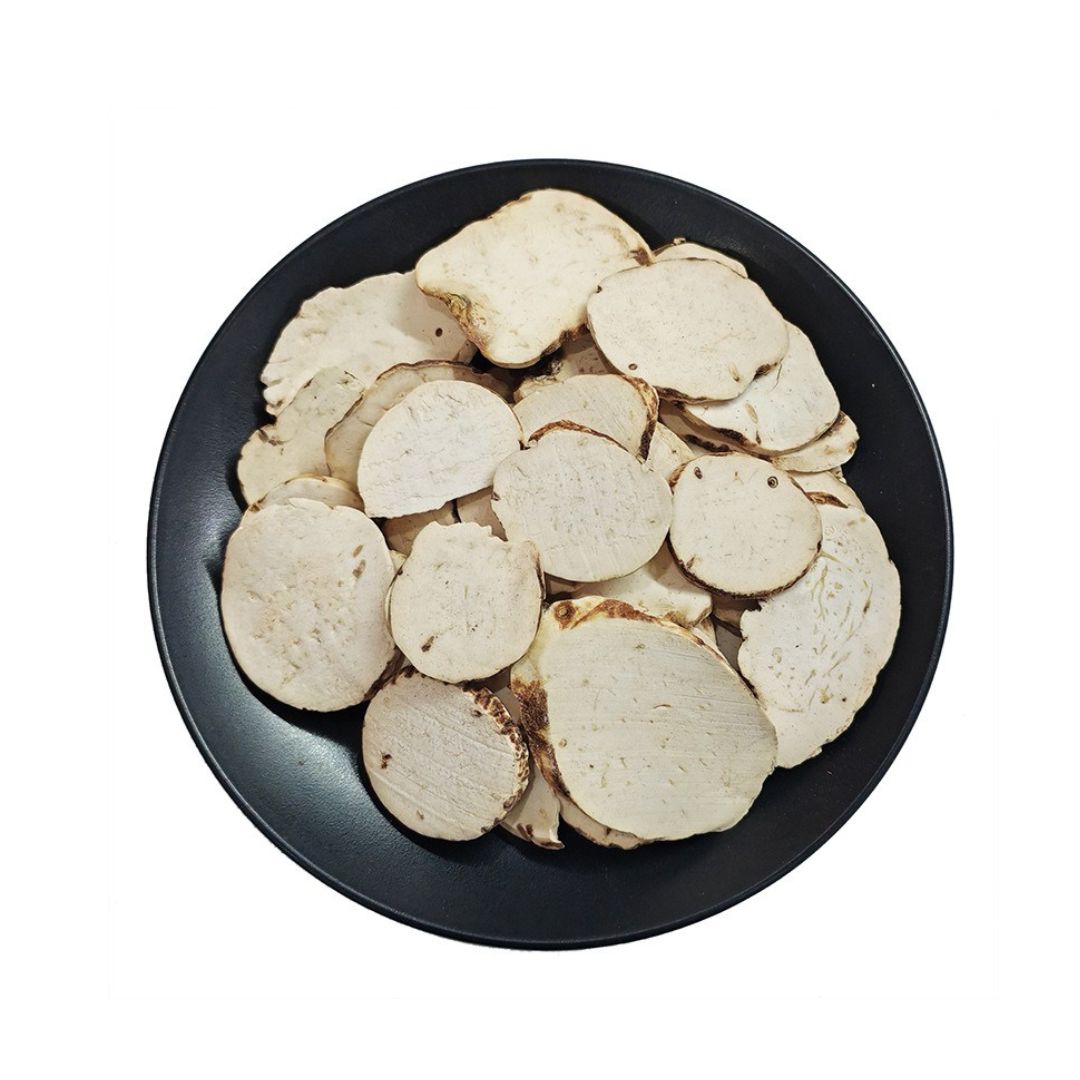
Product Introduction
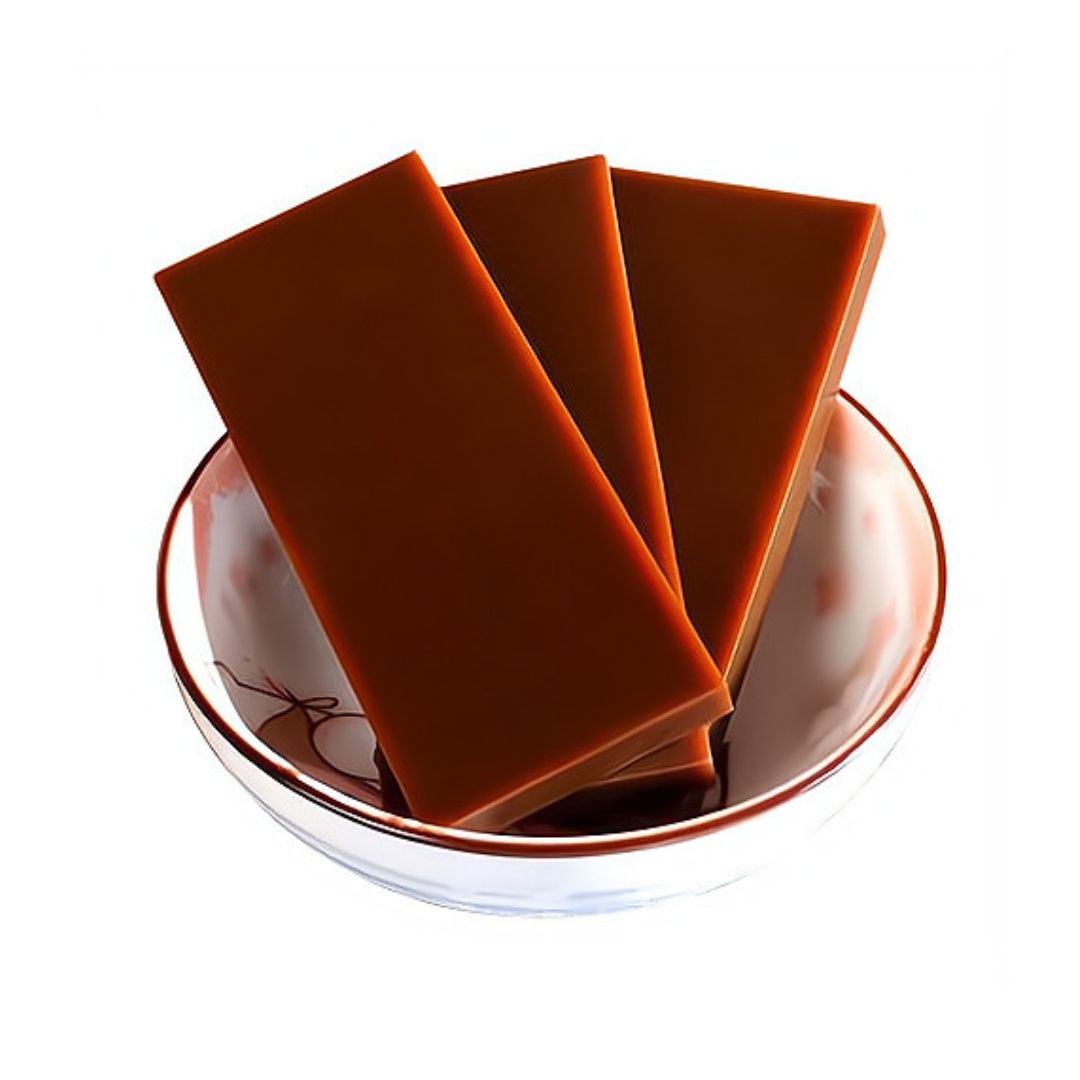
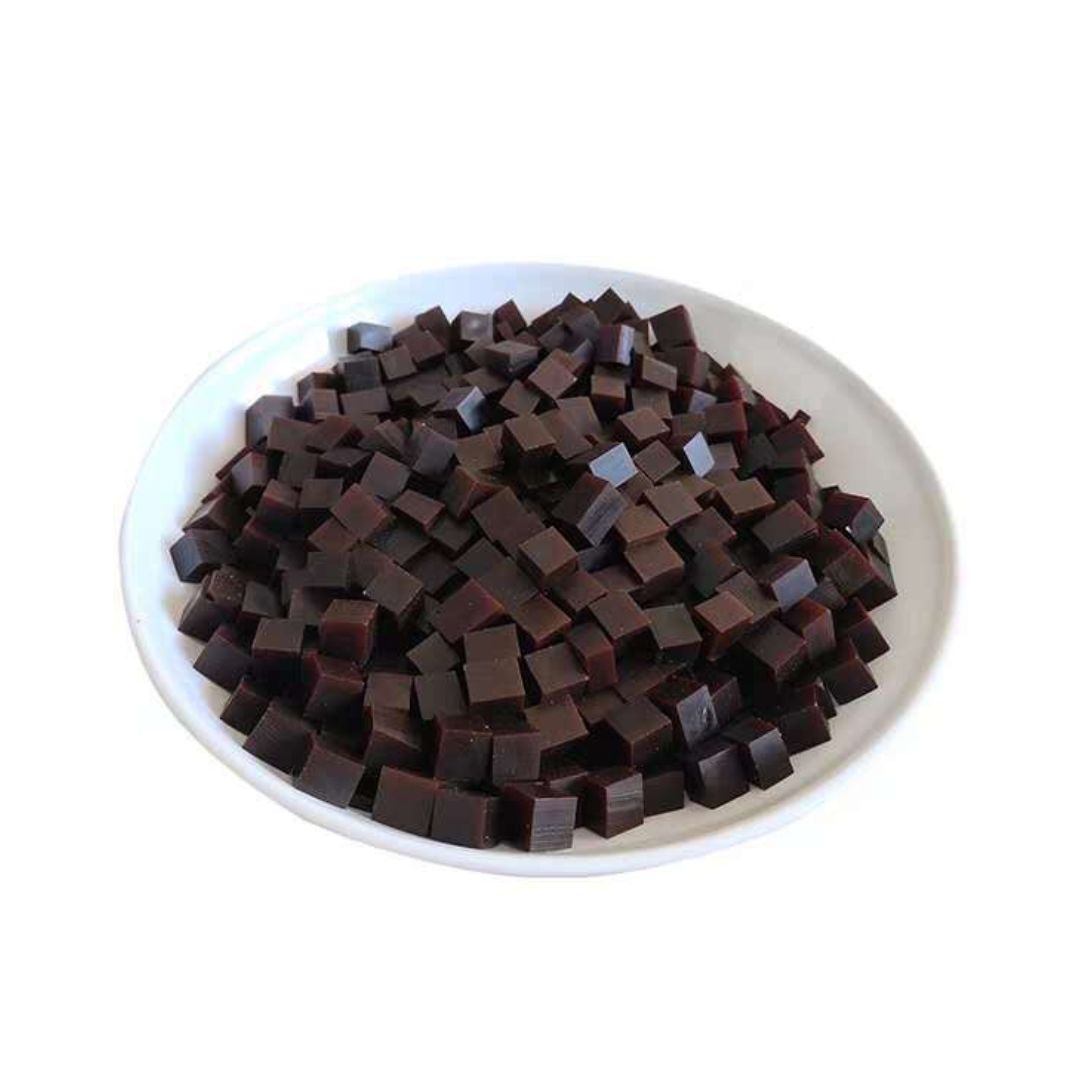
Artificial Bezoar (Rén Gōng Niú Huáng) is a compound preparation developed as a synthetic alternative to the highly prized and scarce natural Bezoar (Niú Huáng), which is a dried gallstone from the gallbladder of cattle [1, 5]. Due to the high cost and limited supply of natural Niú Huáng, which is a key ingredient in many traditional Chinese medicine (TCM) prescriptions for critical conditions, research led to the development of this artificial substitute [2, 5]. The composition of Artificial Bezoar is designed to mimic the principal chemical and pharmacological properties of the natural product [1, 5]. Its preparation involves a complex industrial process, typically starting with bile components from livestock, supplemented with other active ingredients like cholic acid and bilirubin to achieve the desired therapeutic effects [1, 2].
Main Active Ingredients
The pharmacological actions of Artificial Bezoar are primarily attributed to its key chemical components, mirroring those found in natural Niú Huáng [1]. The main active ingredients include bile acids, such as cholic acid and deoxycholic acid, which are known for their anti-inflammatory and hepatoprotective effects [6]. Another critical component is bilirubin, a bile pigment, which contributes to the compound's traditional function of clearing heat and resolving toxins; bilirubin has demonstrated antioxidant and neuroprotective properties in studies [7, 8]. Furthermore, cholesterol is present, often as a stabilizing agent or byproduct, reflecting the composition of natural gallstones [1]. The standardization and quality control of the product ensure the consistent presence of these components, which are crucial for its therapeutic efficacy in formulas aimed at treating fever, convulsions, and inflammation [1, 3].
Product Application Scenarios, Usage, and Dosage
Artificial Bezoar is extensively utilized in TCM clinical practice, particularly in patent medicines formulated to address conditions characterized by intense heat and toxicity [3, 4]. It is commonly applied in scenarios such as high fever, delirium, unconsciousness due to heat-phlegm blocking the orifices, and various inflammatory or infectious diseases [3, 4, 9]. Its cooling and detoxifying properties make it suitable for treating Wēn Bìng (Warm-Factor Diseases) [4].
Usage and Dosage: Artificial Bezoar is rarely used alone but is a core ingredient in numerous compound formulas, such as Ān Gōng Niú Huáng Wán and Zhì Bǎo Dān, often administered orally in pill or capsule form [9, 10]. The typical oral dosage ranges from 0.15 to 0.35 grams per day, but this is highly dependent on the specific formula, the patient's condition, and the prescribing practitioner’s guidance [9]. Due to its potency, precise dosing and usage under the supervision of a licensed TCM practitioner are essential.
Introduction to the Source Plant, Distribution, and Growth Environment
Artificial Bezoar is a compounded product and does not originate from a single source plant [1]. It is synthesized from raw materials primarily derived from animals and purified chemical compounds, rather than being harvested directly from nature [1, 2]. The key animal-derived starting material is ox bile (or bile components), which is extracted from the gallbladders of domestic cattle (Bos taurus domesticus Gmelin), generally from those processed for meat [1, 2]. Therefore, there is no specific natural source plant, distribution area, or growth environment to describe for the final product itself. The production relies on established pharmaceutical manufacturing facilities with controlled environments to ensure purity and consistency [1].
Harvesting, Processing, and Storage
Since Artificial Bezoar is a manufactured compound, the process involves sophisticated chemical engineering rather than traditional harvesting [1, 2].
Processing: The manufacturing process typically involves extracting bile components (such as cholic acid and deoxycholic acid) from ox bile, followed by the addition of purified bilirubin and other specific ingredients [1, 2]. These ingredients are carefully mixed and processed, sometimes involving techniques like enzymatic treatment and precipitation, to create a compound powder that chemically and pharmacologically resembles natural Niú Huáng [2, 5]. The final product must adhere to stringent quality standards set by national pharmacopeias [1].
Storage: The finished product is a dry, hygroscopic powder, and proper storage is crucial to maintain its efficacy and stability [1]. It must be kept in an airtight container to prevent moisture absorption, stored in a cool, dry place, and protected from direct light [1]. Following these storage protocols ensures the preservation of the active bile acids and bilirubin content over time [1].
Citations:
[1] Pharmacopoeia of the People's Republic of China (2020 Edition). Note: Specific volume/monograph not cited for brevity, but the official Chinese Pharmacopoeia governs the composition and standards of Rén Gōng Niú Huáng.
[2] Li, S. L., et al. (2019). Quality control of Calculus Bovis Sativus (artificial bezoar) based on bile acids. Journal of Pharmaceutical and Biomedical Analysis, 164, 485-492.
[3] Bensky, D., Clavey, S., & Stöger, E. (2018). Chinese Herbal Medicine: Materia Medica (3rd ed.). Seattle, WA: Eastland Press. (Monograph for Niú Huáng (Calculus Bovis), of which Artificial Bezoar is an accepted substitute with similar actions).
[4] Chen, J. K., & Chen, T. T. (2004). Chinese Medical Herbology and Pharmacology. Art of Medicine Press, Inc. (Monograph for Niú Huáng (Calculus Bovis)).
[5] Sun, S., et al. (2018). Comparison of neuroprotective and anti-inflammatory effects of natural and artificial Calculus Bovis against cerebral ischemia-reperfusion injury in mice. Journal of Ethnopharmacology, 224, 480-488.
[6] Hagey, L. R., et al. (2013). Bile acids: structure, metabolism, and therapeutic applications. Current Molecular Pharmacology, 6(3), 209-224.
[7] Vítek, L., & Schwertner, H. A. (2002). The anti-atherogenic and neuroprotective properties of unconjugated bilirubin. Current Pharmaceutical Design, 8(16), 1475-1481.
[8] Stocker, R., et al. (1987). Bilirubin is a potent antioxidant of physiological relevance. Science, 235(4792), 1043-1046.
[9] State Administration of Traditional Chinese Medicine of the People's Republic of China. (2017). Clinical Practice Guideline for Traditional Chinese Medicine. China Traditional Chinese Medicine Publishing House. (General usage guidance for Niú Huáng containing formulas).
[10] Zhao, Y., et al. (2020). Analysis of the Components of Angong Niuhuang Pill by HPLC-DAD. Chinese Journal of Experimental Traditional Medical Formulae, 26(10), 183-191.
Mia Wu

Hi, I’m Mia Wu! I love helping customers discover the best natural ingredients for their products. With a passion for herbs, spices, and fungi, I work to make sure you get only the finest raw materials. Let's grow together! 🌱✨