

Product Introduction
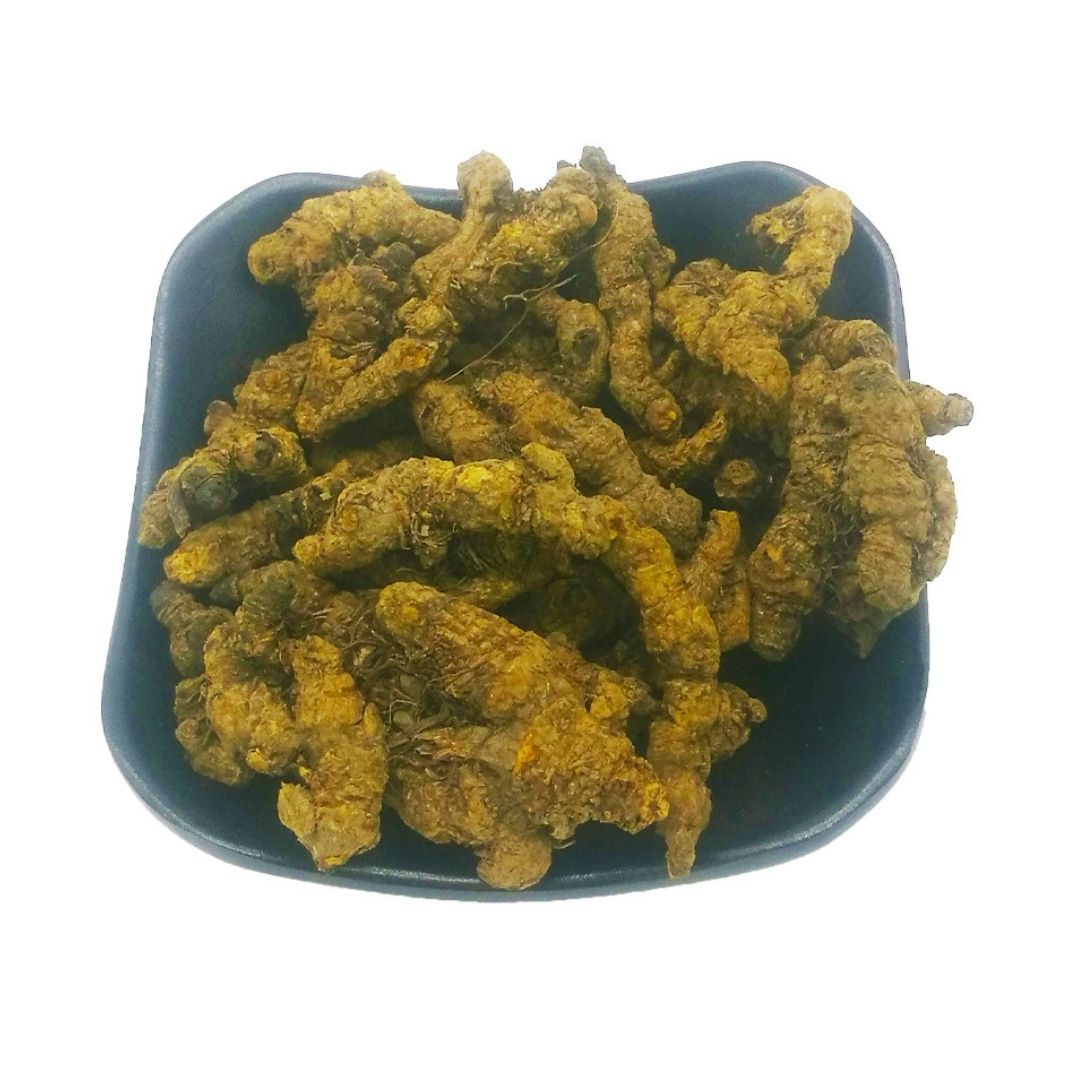
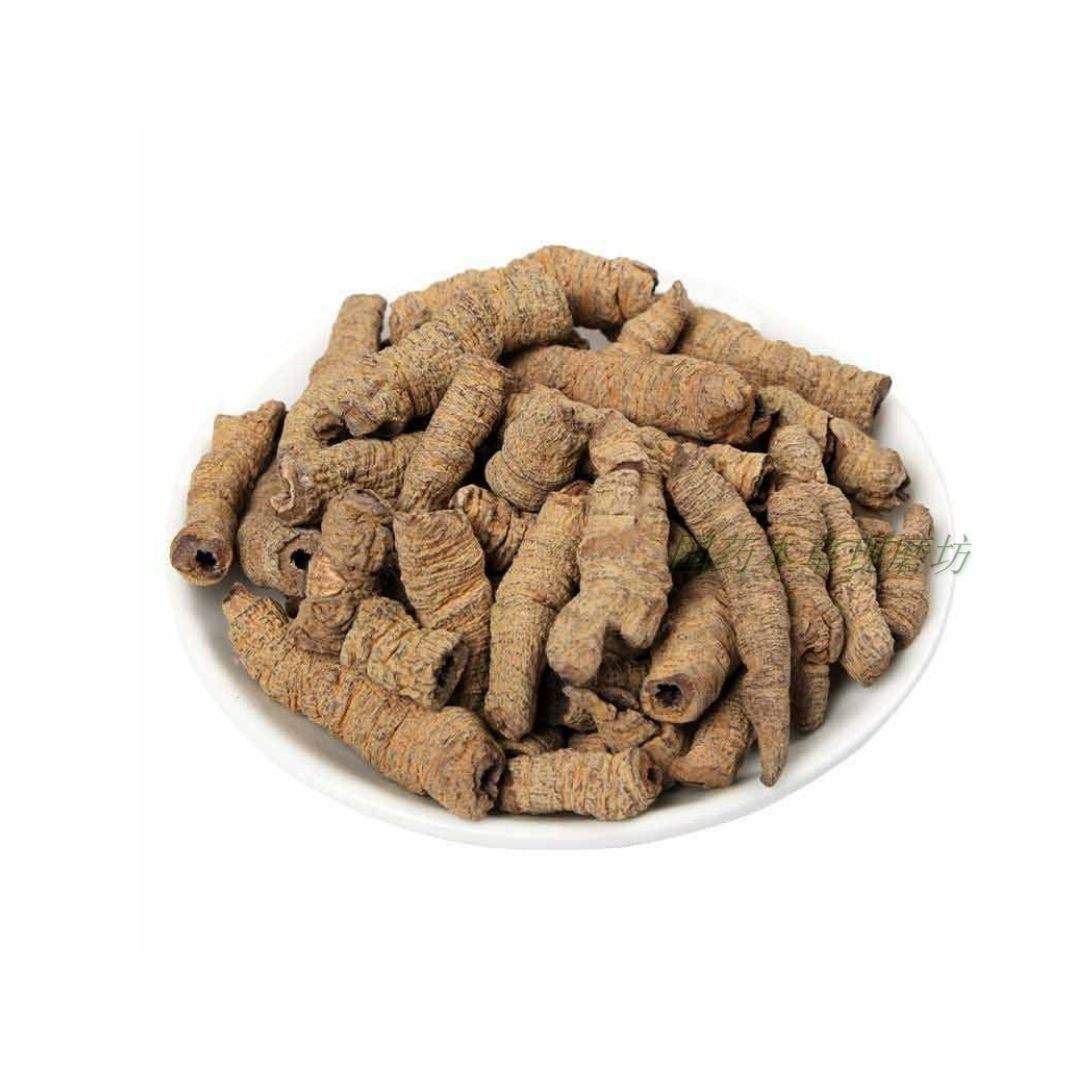
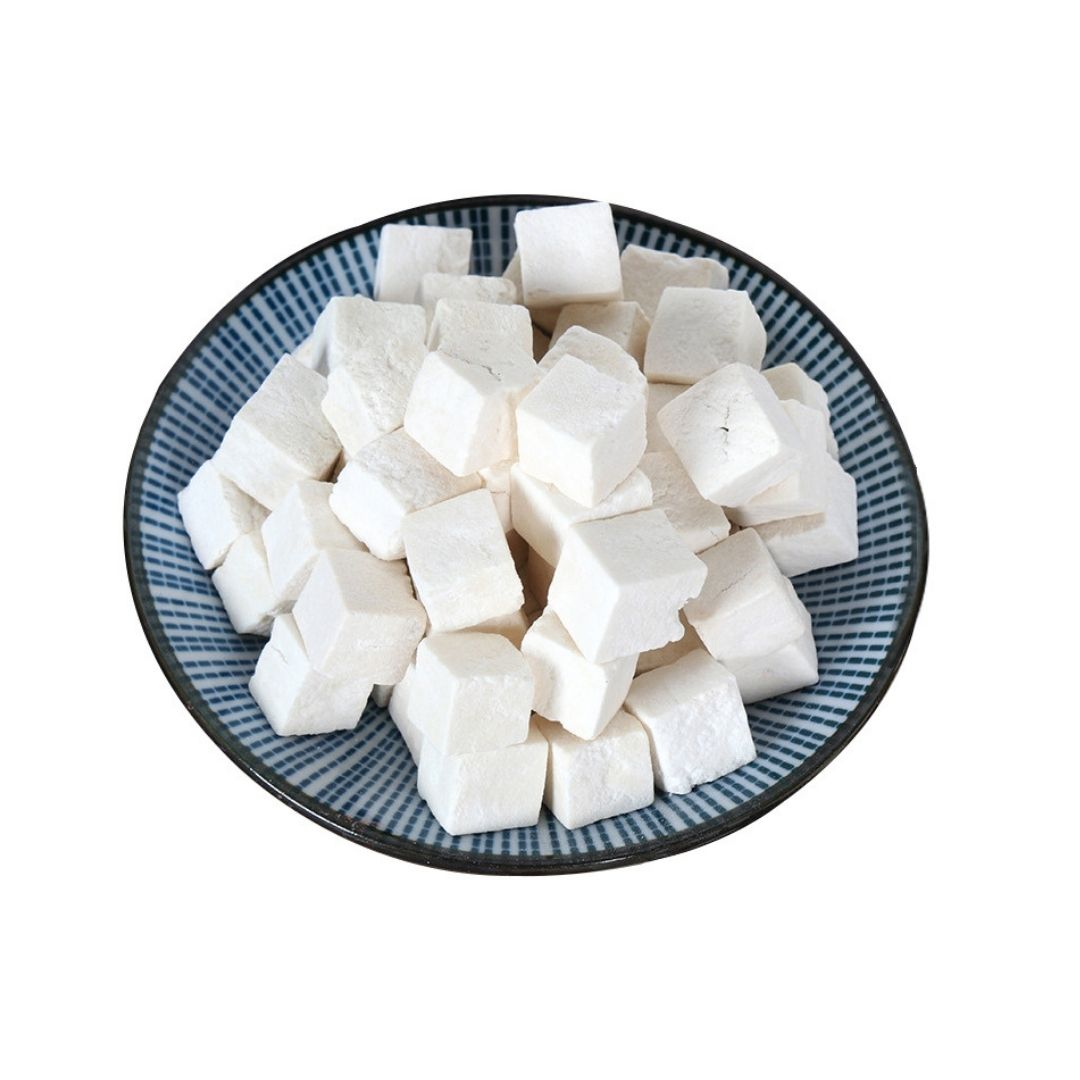
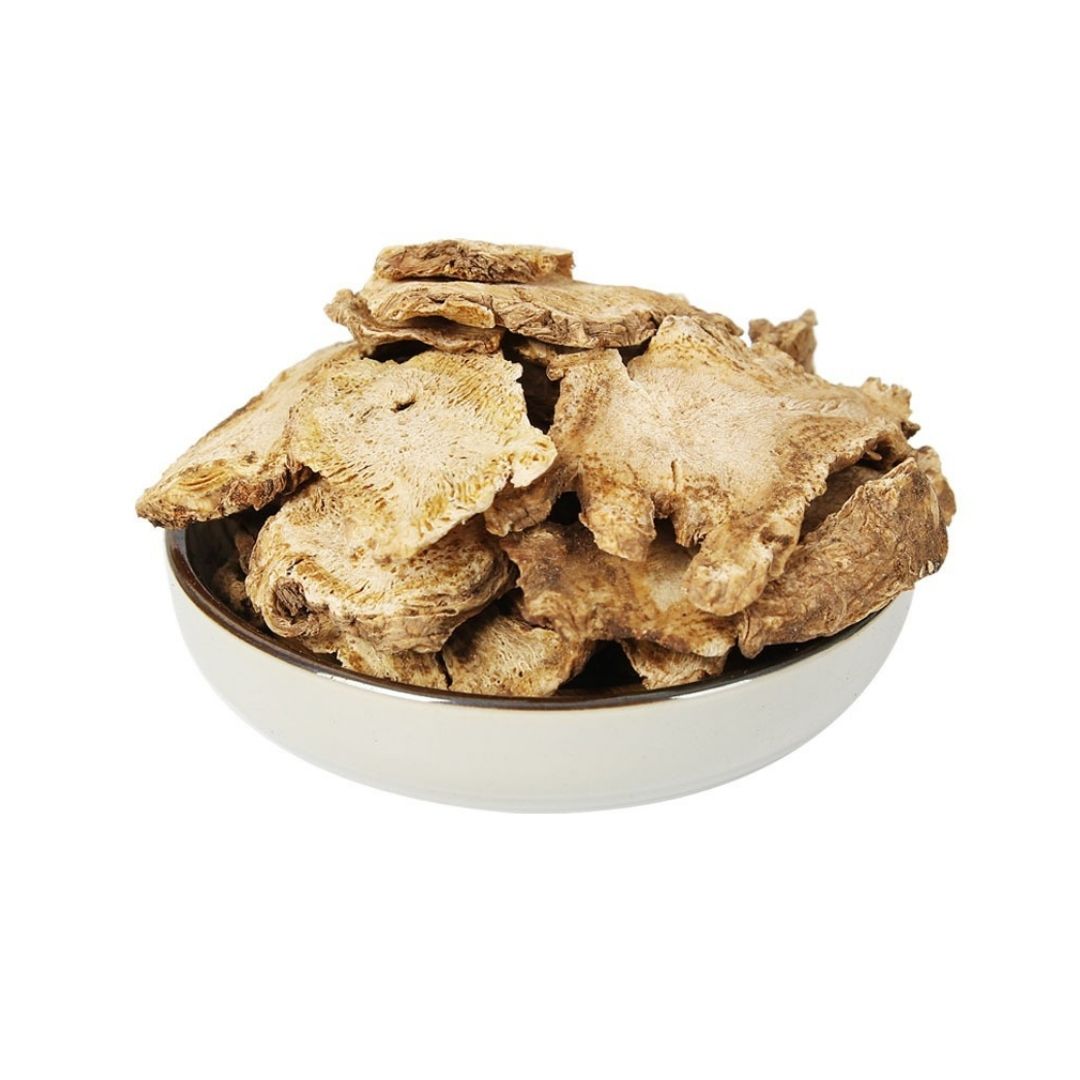
Angelica sinensis, commonly referred to as Danggui, is a perennial herb belonging to the Apiaceae family. The herb is native to China and has been utilized in traditional practices for its therapeutic properties. This herb is highly valued, particularly among women, for its potential to support overall well-being.
Main Active Ingredients
The primary active ingredients found in Angelica sinensis include ligustilide, ferulic acid, and various polysaccharides. Ligustilide is recognized for its potential antioxidative effects. Ferulic acid also contributes to the herb's antioxidative and anti-inflammatory properties. Polysaccharides are believed to support immune function.
Product Application Scenarios, Usage, and Dosage
Angelica sinensis is traditionally used to support blood health, promote circulation, and regulate menstruation. It is often used in formulas aimed at women's health. The herb can be consumed in various forms, including teas, tinctures, and herbal supplements. The typical dosage varies depending on the specific product and individual needs, however, a common dosage is between 3-15 grams per day when used in decoctions. It is advisable to consult with a qualified practitioner to determine the appropriate dosage and usage for specific health needs.
Introduction to the Source Plant, Distribution, and Growth Environment
Angelica sinensis is native to China, specifically in the high-altitude regions of provinces such as Gansu, Sichuan, and Yunnan. It grows in cool, moist environments, often found in mountainous areas and along riverbanks. The plant thrives in well-drained soil with adequate sunlight and moisture.
Harvesting, Processing, and Storage
The roots of Angelica sinensis are typically harvested in the fall, usually after three years of growth. After harvesting, the roots are cleaned, dried, and processed. The drying process is crucial to preserve the herb's active constituents. Proper storage is essential to maintain its quality and efficacy, and it should be stored in a cool, dry place, away from direct sunlight and moisture, to prevent degradation and maintain its therapeutic properties.
Citations:
- Chen, J. K., & Chen, T. T. (2004). Chinese Medical Herbology and Pharmacology. Art of Medicine Press.
- Bensky, D., Clavey, S., & Stöger, E. (2004). Chinese Herbal Medicine: Materia Medica, 3rd Edition. Eastland Press.
- National Center for Biotechnology Information (2023). Ligustilide. PubChem Compound Database. Retrieved from https://pubchem.ncbi.nlm.nih.gov/compound/Ligustilide
- University of Michigan Health. (n.d.). Angelica. Retrieved from [invalid URL removed]
- World Health Organization. (2007). WHO monographs on selected medicinal plants (Vol. 3). World Health Organization.
Mia Wu

Hi, I’m Mia Wu! I love helping customers discover the best natural ingredients for their products. With a passion for herbs, spices, and fungi, I work to make sure you get only the finest raw materials. Let's grow together! 🌱✨