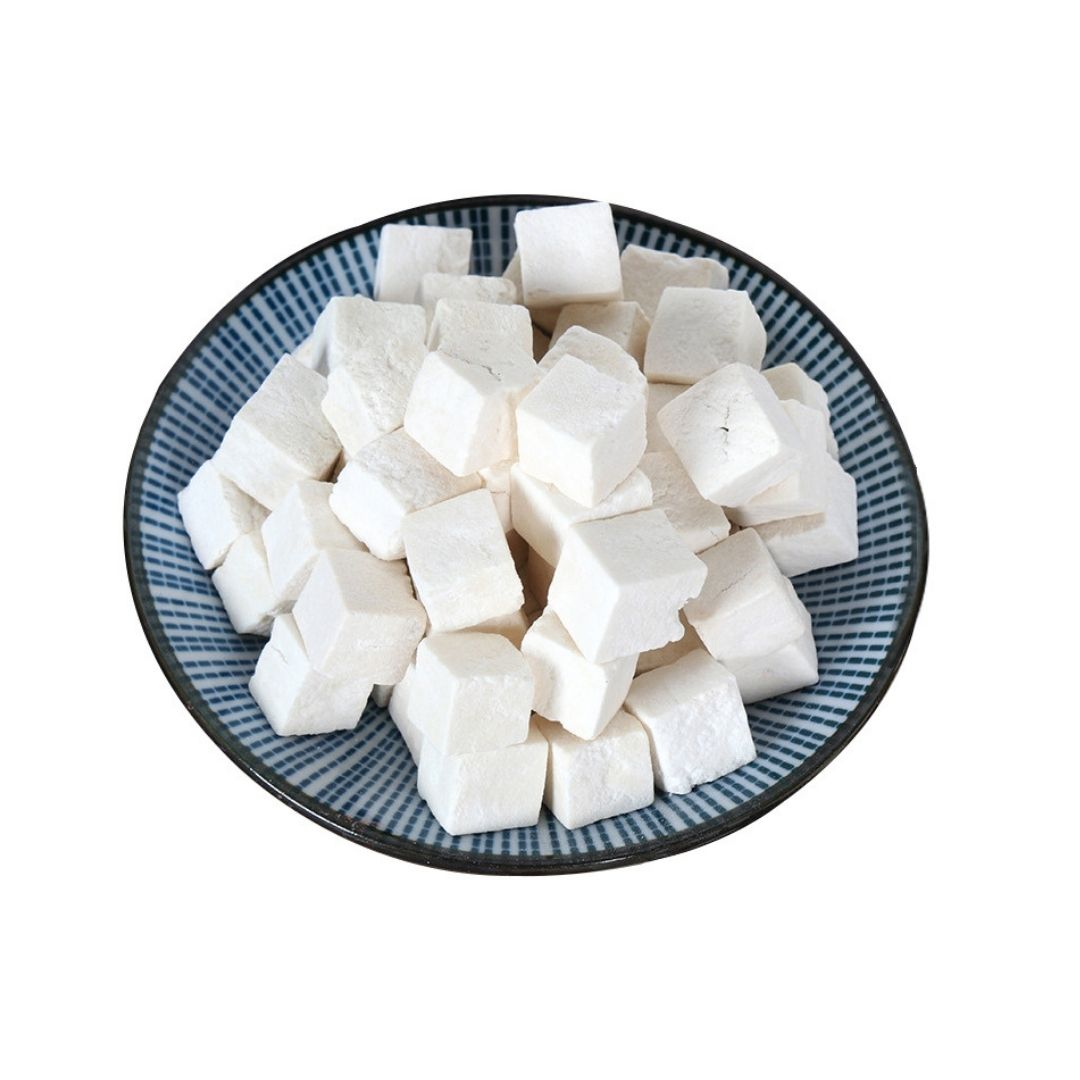
Product Introduction
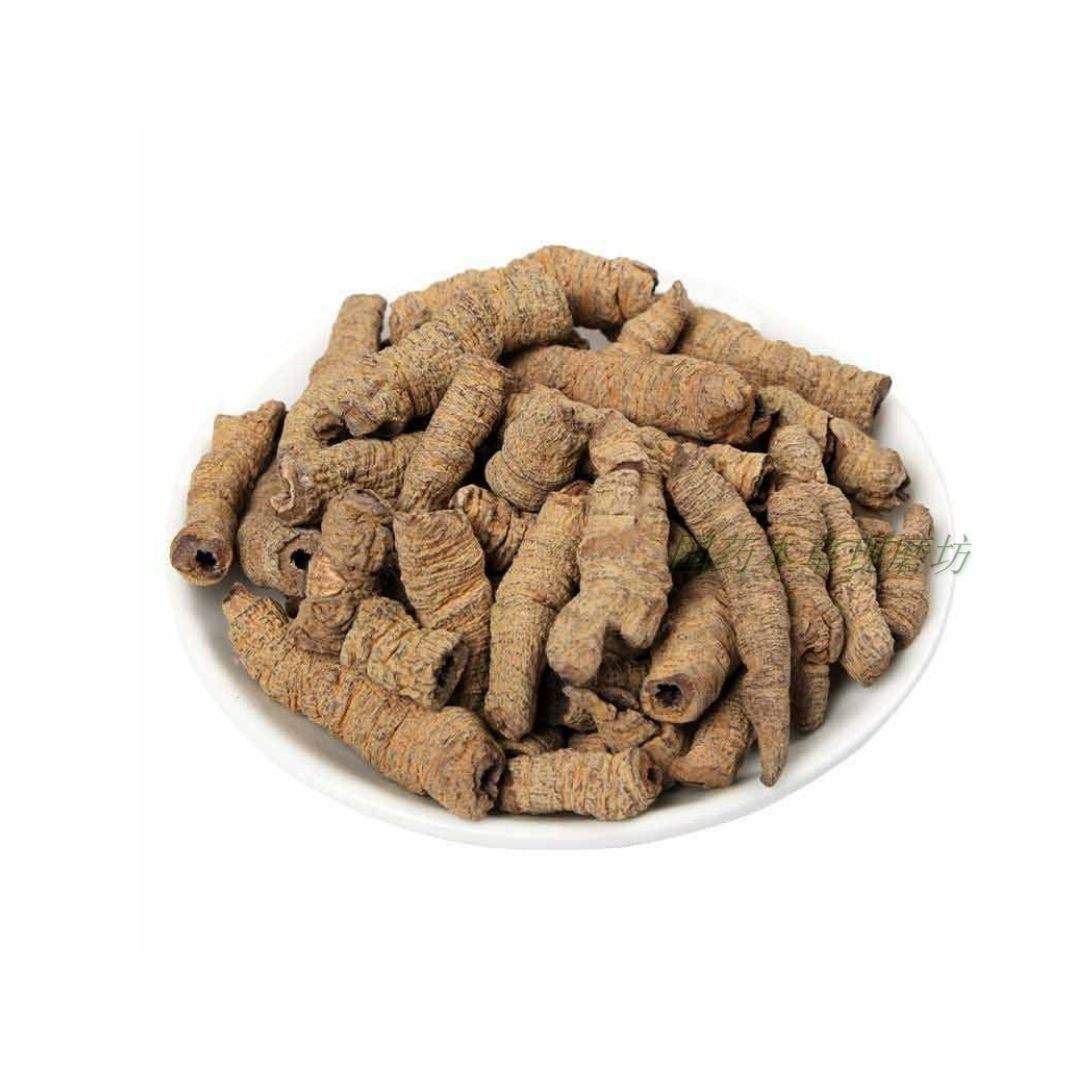
Anemarrhena asphodeloides, known as Zhi Mu in Chinese, is an important herb in traditional Chinese medicine (TCM). It is valued for its cooling and moistening properties, addressing conditions related to heat and dryness. The herb comes from the dried rhizome of the Anemarrhena asphodeloides plant, and it is prepared and used in various TCM formulas.
Main Active Ingredients
The primary active ingredients in Anemarrhena asphodeloides include timosaponins, such as timosaponin AIII, and xanthones, such as mangiferin [1]. These compounds contribute to the herb's therapeutic effects, including its anti-inflammatory and antipyretic actions. Timosaponins, in particular, are considered responsible for many of the pharmacological activities associated with the herb. The presence of these components makes it useful for several applications in TCM.
Product Application Scenarios, Usage, and Dosage
Anemarrhena asphodeloides is frequently used in TCM to treat symptoms associated with heat and dryness, such as fever, thirst, and dry cough [2]. It is often prescribed in formulas to address conditions like menopausal hot flashes, diabetes-related thirst, and lung dryness. The typical dosage of Anemarrhena asphodeloides is between 6 to 12 grams, usually administered in decoction form. It can also be found in patent medicine, where it is combined with other herbs for various conditions, adjusting the dosage according to the specific formula and the patient's condition.
Introduction to the Source Plant, Distribution, and Growth Environment
The source plant, Anemarrhena asphodeloides Bunge, is a perennial herb belonging to the family Asparagaceae [3]. It is native to regions of northern China, including Hebei, Shanxi, and Inner Mongolia. The plant prefers to grow in dry, sunny environments, often found on slopes and grasslands. It thrives in well-drained soils and can tolerate some drought conditions. This specific growth environment contributes to the development of the unique chemical composition of the rhizome.
Harvesting, Processing, and Storage
The rhizomes of Anemarrhena asphodeloides are typically harvested in the autumn [4]. After harvesting, the rhizomes are cleaned, and dried, often sliced before the drying process. Proper drying is essential to prevent mold growth and maintain the herb's quality. The dried rhizomes should be stored in a cool, dry place, protected from light and moisture. It is usually stored away from strong odors to prevent contamination. This careful harvesting and storage ensures the herb retains its therapeutic properties for an extended period.
Citations:
- Xie, C., et al. "Chemical constituents of Anemarrhena asphodeloides and their pharmacological activities." Journal of Ethnopharmacology 229 (2019): 113629.
- Bensky, D., et al. Chinese Herbal Medicine: Materia Medica. 3rd ed. Seattle, WA: Eastland Press, 2004.
- Flora of China Editorial Committee. Flora of China. Vol. 24. Beijing: Science Press; St. Louis: Missouri Botanical Garden Press, 2000.
- Chen, J. K., and T. T. Chen. Chinese Medical Herbology and Pharmacology. City of Industry, CA: Art of Medicine Press, 2004.
Mia Wu

Hi, I’m Mia Wu! I love helping customers discover the best natural ingredients for their products. With a passion for herbs, spices, and fungi, I work to make sure you get only the finest raw materials. Let's grow together! 🌱✨