

Product Introduction
Andrographis paniculata, often celebrated as the "King of Bitters," is a plant of significant importance in traditional herbal medicine, particularly within Ayurvedic and traditional Chinese medicine systems. Its therapeutic applications span centuries, primarily focusing on its ability to modulate the immune system and combat infections. The plant, an annual herb, is characterized by its notably bitter taste, a feature that contributes to its perceived efficacy in treating a variety of ailments. Originating from South Asia, it has spread to other parts of the world, where it is cultivated for medicinal use.
Main Active Ingredients
The therapeutic effects of Andrographis paniculata are largely attributed to its active compounds, known as andrographolides. Andrographolides are a class of labdane diterpenoids, and represent the primary bioactive constituents in the plant. These compounds have been shown to possess anti-inflammatory, antiviral, and antioxidant properties [1]. Among the various andrographolides, andrographolide itself is the most extensively studied [2]. Research indicates that andrographolides work by modulating various biological pathways, including those involved in immune response and inflammation.
Product Application Scenarios, Usage, and Dosage
Andrographis paniculata is traditionally employed to address symptoms associated with the common cold, flu, and upper respiratory tract infections. Its use extends to managing fever, sore throat, and cough [3]. Moreover, it has been explored for its potential role in alleviating symptoms of digestive issues and supporting liver health.
In terms of usage, the herb can be administered in various forms, including capsules, tablets, and liquid extracts, as well as in its raw, dried form for tea preparations. The appropriate dosage varies depending on the specific product and the condition being treated. Typically, standardized extracts containing a defined percentage of andrographolides are preferred to ensure consistent potency. A common dosage recommendation for standardized extracts is between 200 to 400 mg daily, divided into multiple doses [4]. However, consulting with a healthcare professional or a qualified herbalist is crucial to determine the most suitable dosage and form for individual needs.
Introduction to the Source Plant, Distribution, and Growth Environment
Andrographis paniculata is an annual herbaceous plant belonging to the family Acanthaceae. It typically grows to a height of 30 to 110 cm. The plant features a slender stem with lance-shaped leaves that are approximately 5 to 10 cm long and 1 to 2.5 cm wide. The flowers are small and white, arranged in panicles, giving the plant its specific name, paniculata [5].
The herb is native to South Asian countries, including India, Sri Lanka, and other Southeast Asian nations. It thrives in tropical and subtropical environments, often found growing in moist, shady areas, such as along roadsides, in forests, and in cultivated fields. The plant is now cultivated in several regions beyond its native range, including parts of Africa and the Americas, due to its increasing demand in herbal medicine.
Harvesting, Processing, and Storage
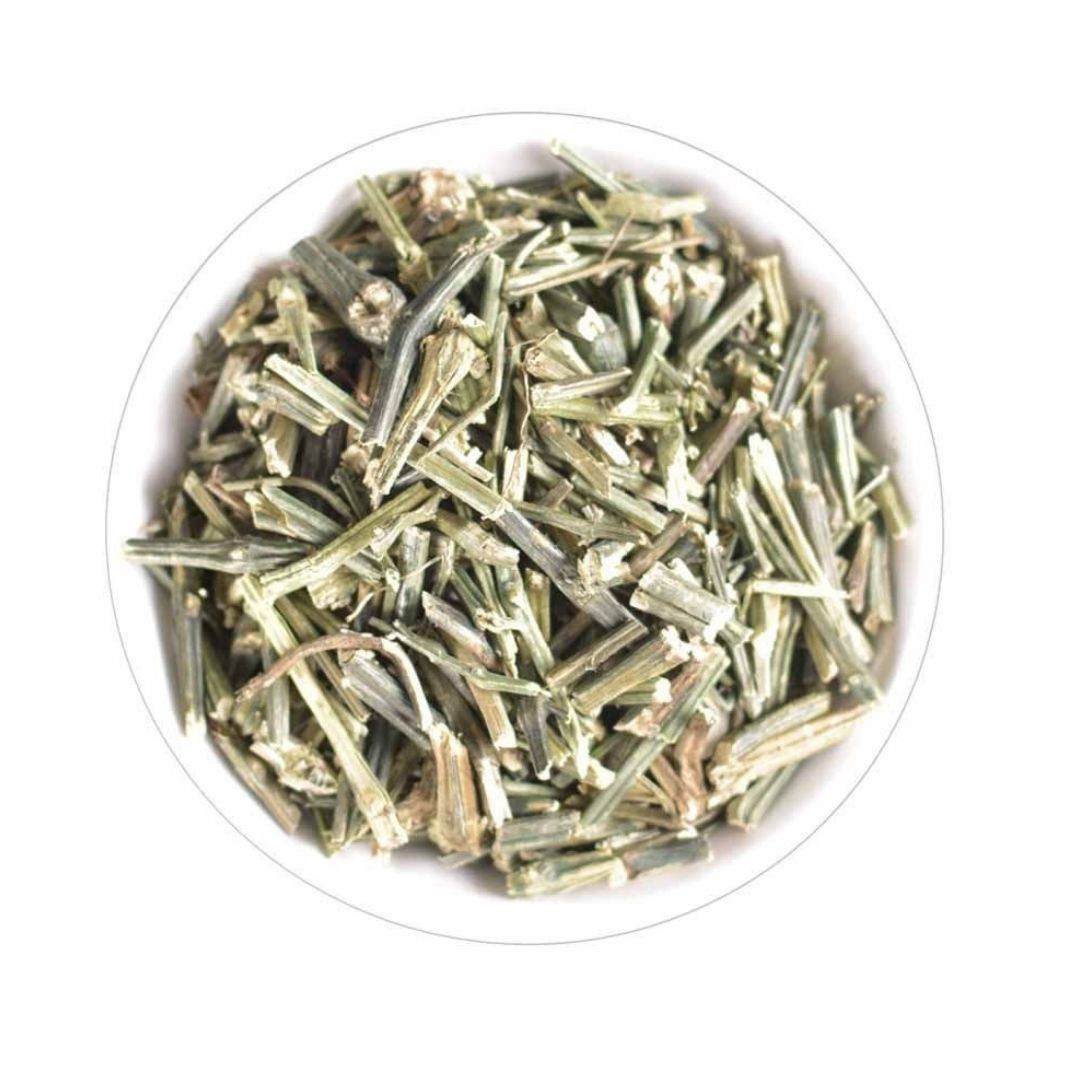
The harvesting of Andrographis paniculata typically occurs during the flowering stage, when the concentration of active compounds, particularly andrographolides, is at its peak. The entire plant, including the stems, leaves, and roots, can be harvested, although the leaves and stems are most commonly used for medicinal purposes [6].
After harvesting, the plant material is typically dried to reduce moisture content, which helps to prevent spoilage and preserve the active constituents. Drying can be achieved through various methods, including air-drying, sun-drying, or using mechanical dryers. Once dried, the herb may be processed into different forms, such as powder, extracts, or tinctures, depending on the intended use.
Proper storage is essential to maintain the quality and potency of Andrographis paniculata. It should be stored in a cool, dry place, away from direct sunlight and moisture. Airtight containers are recommended to prevent degradation and contamination. When stored correctly, the herb can retain its medicinal properties for up to two years [7].
Citations:
[1] Zhang, X. F., et al. "Andrographolide inhibits influenza A virus-induced inflammation by suppressing the activation of NF-κB and MAPK signaling pathways." PloS one 8.1 (2013): e55042.
[2] Chao, W. W., et al. "Anti-inflammatory activity of new compounds from Andrographis paniculata by NF-κB pathway inhibition." Journal of Ethnopharmacology 135.2 (2011): 302-308.
[3] Saxena, R. C., et al. "A randomized double blind placebo controlled clinical evaluation of extract of Andrographis paniculata in patients with common cold." Indian journal of medical research 130.1 (2009): 43.
[4] Poolsup, N., et al. "Andrographis paniculata in the symptomatic treatment of uncomplicated upper respiratory tract infection: systematic review of randomized controlled trials." Journal of clinical pharmacy and therapeutics 29.1 (2004): 37-45.
[5] Akbar, S. "Andrographis paniculata: a review of pharmacological activities and clinical effects." Alternative medicine review 16.1 (2011): 66.
[6] Okhuarobo, A., et al. "Harnessing the medicinal properties of Andrographis paniculata for diseases and beyond: a review of ten years of research." African Journal of Pharmacy and Pharmacology 6.14 (2012): 990-1001.
[7] Valdiani, A., et al. "Effect of drying methods on the andrographolide content of Andrographis paniculata." Journal of Medicinal Plants Research 5.27 (2011): 6368-6372.
Mia Wu

Hi, I’m Mia Wu! I love helping customers discover the best natural ingredients for their products. With a passion for herbs, spices, and fungi, I work to make sure you get only the finest raw materials. Let's grow together! 🌱✨