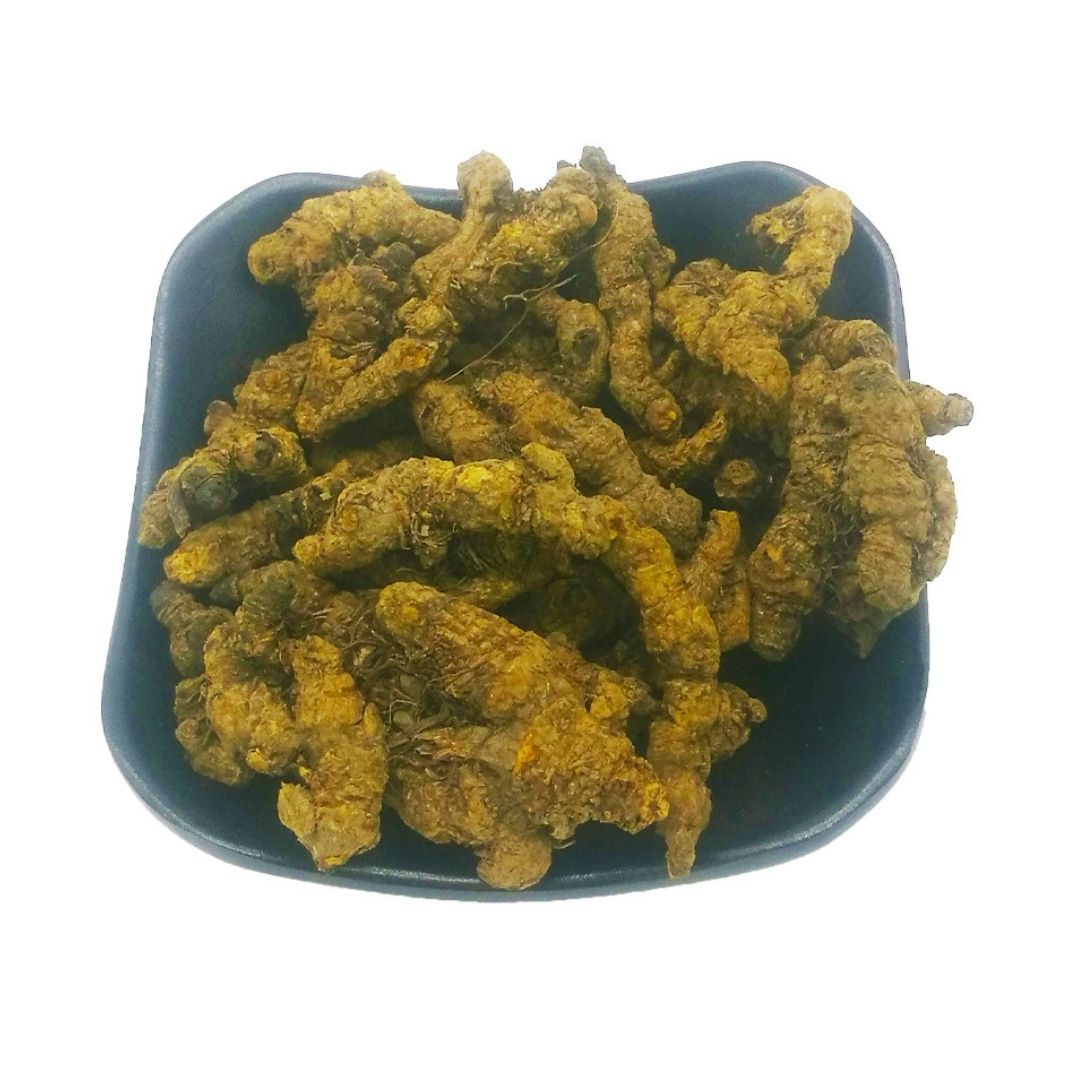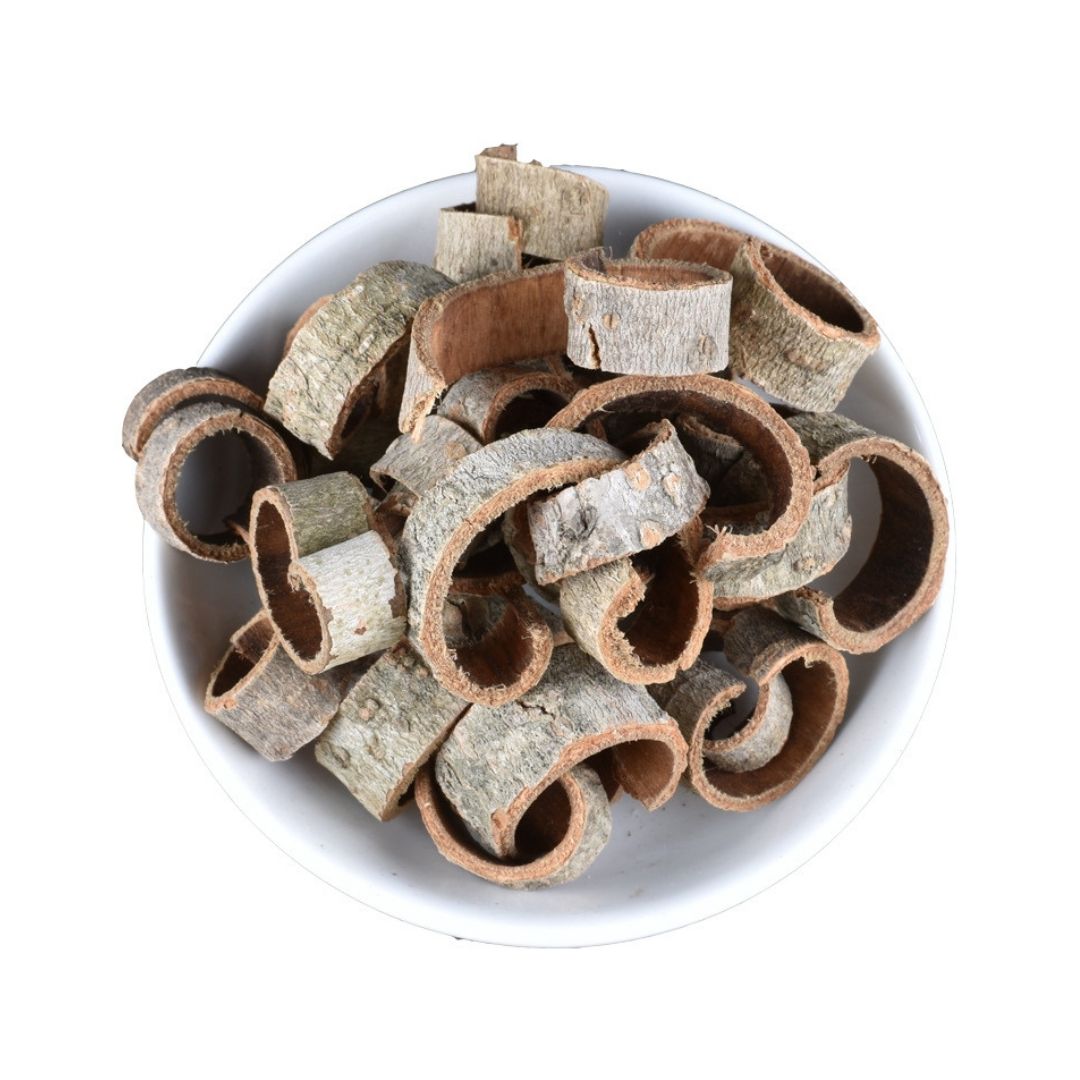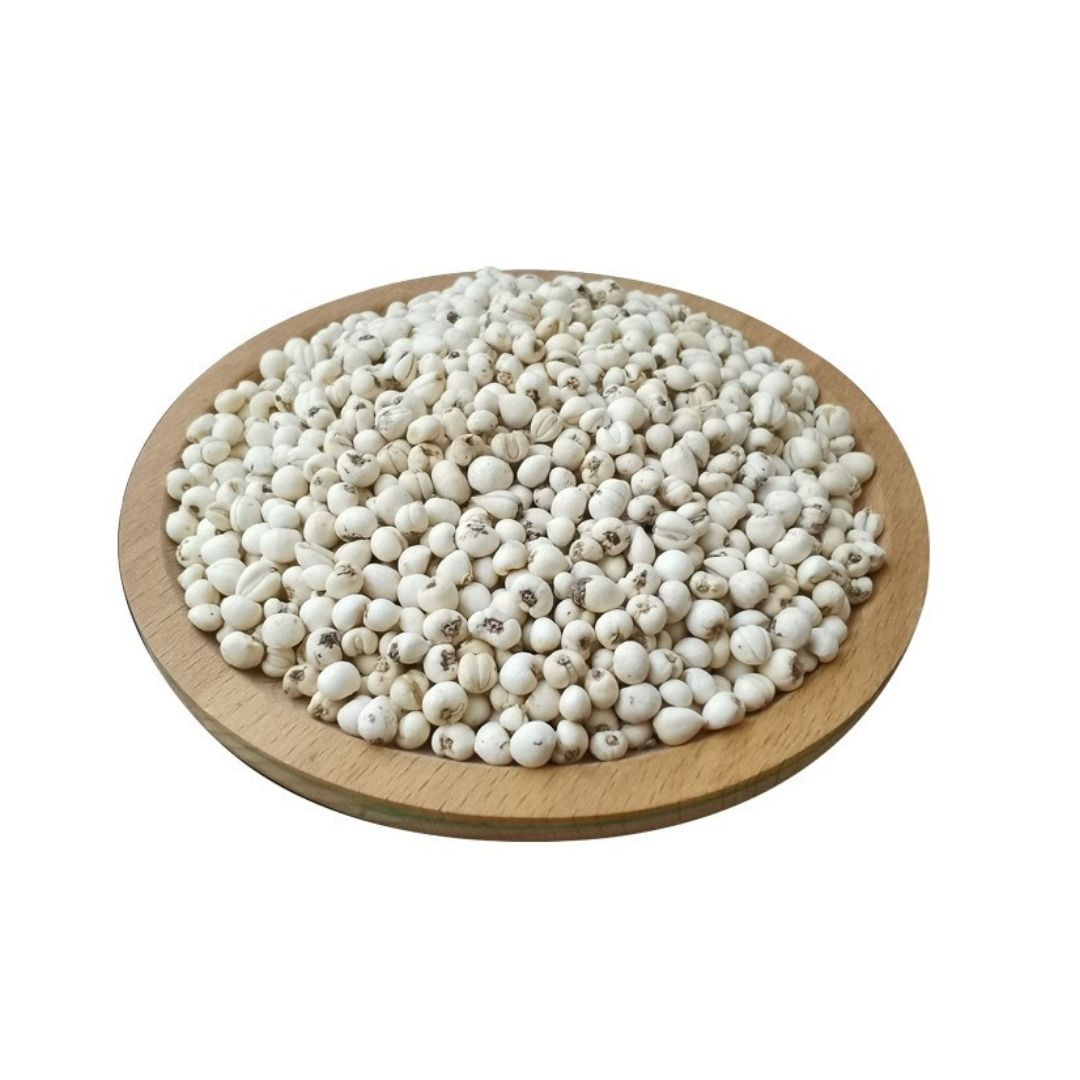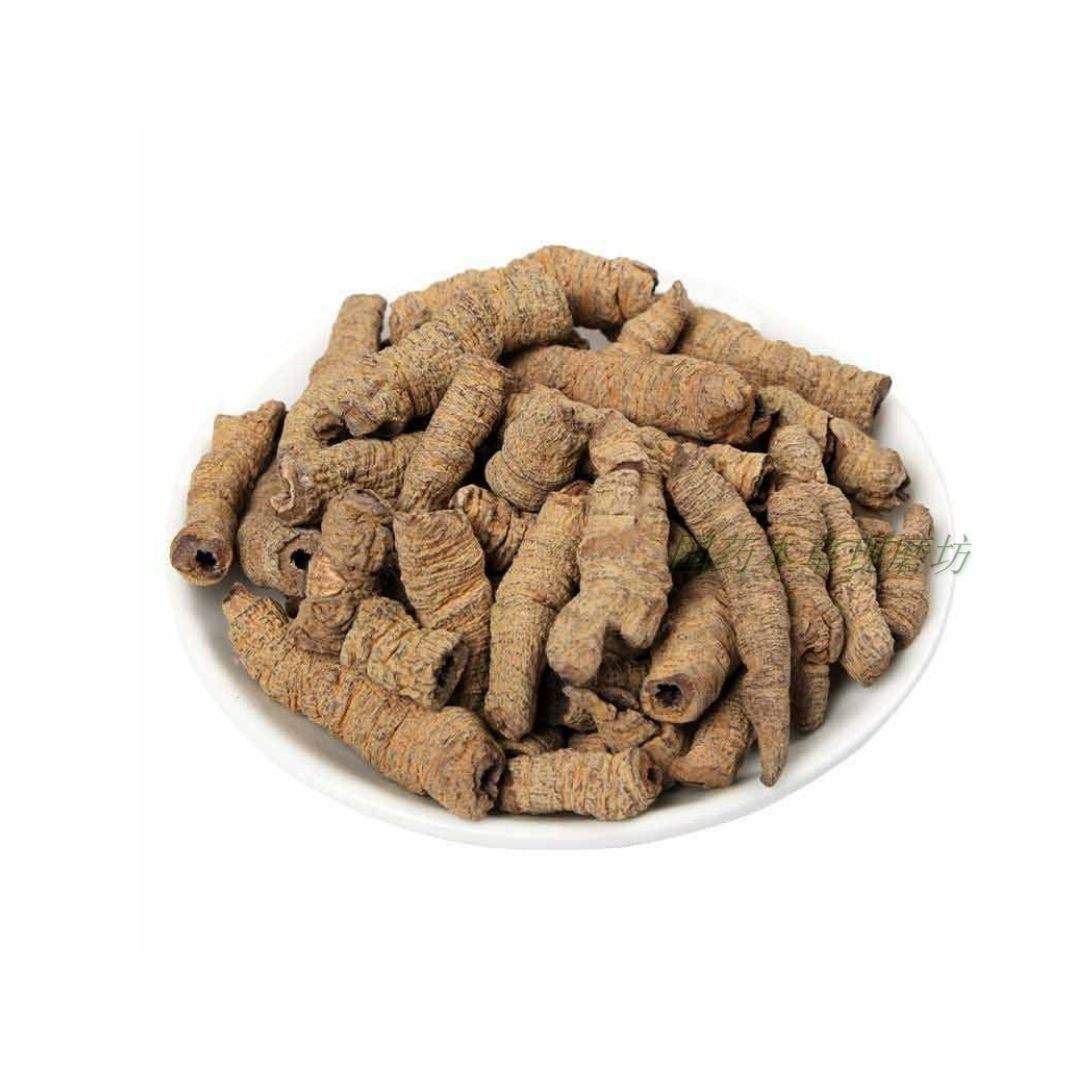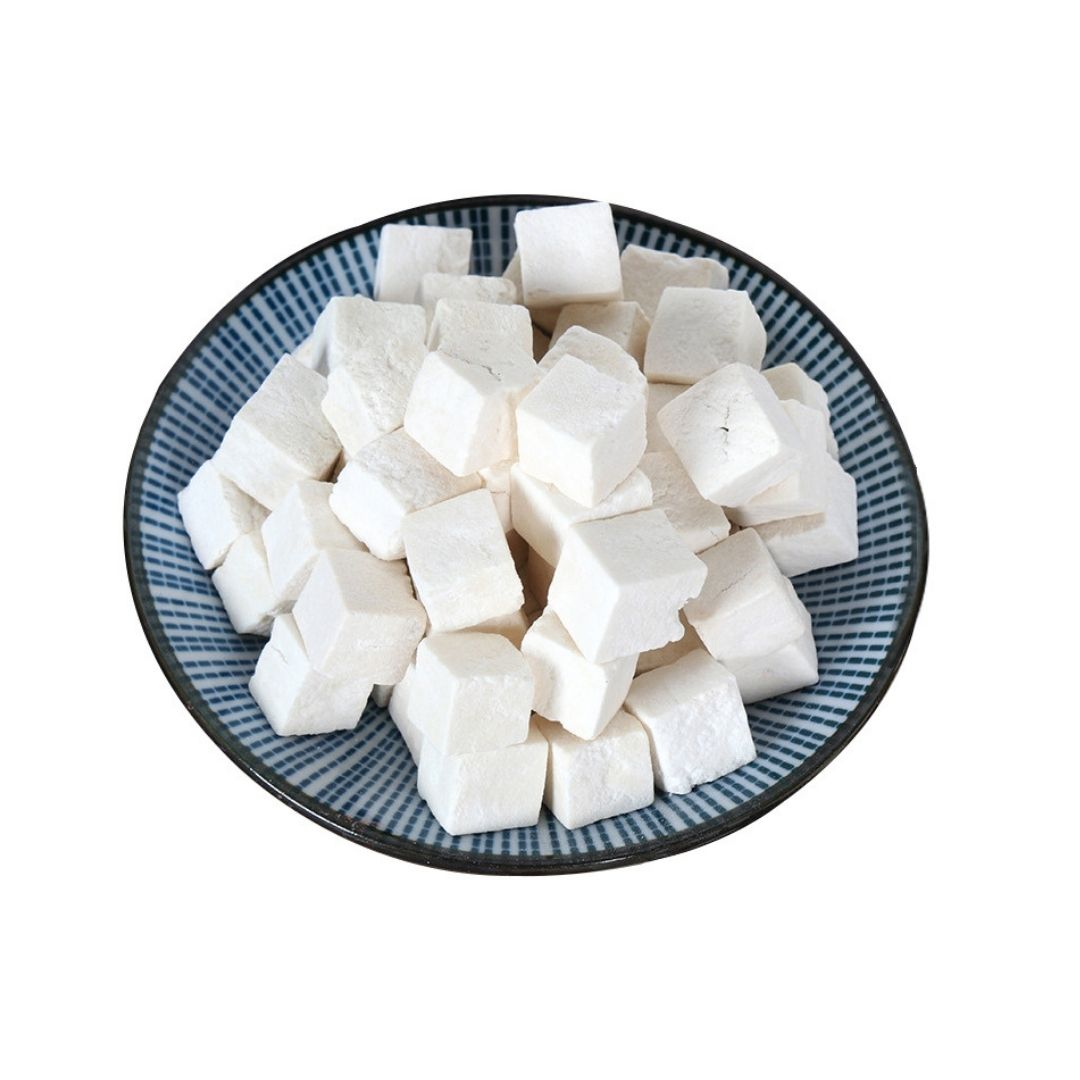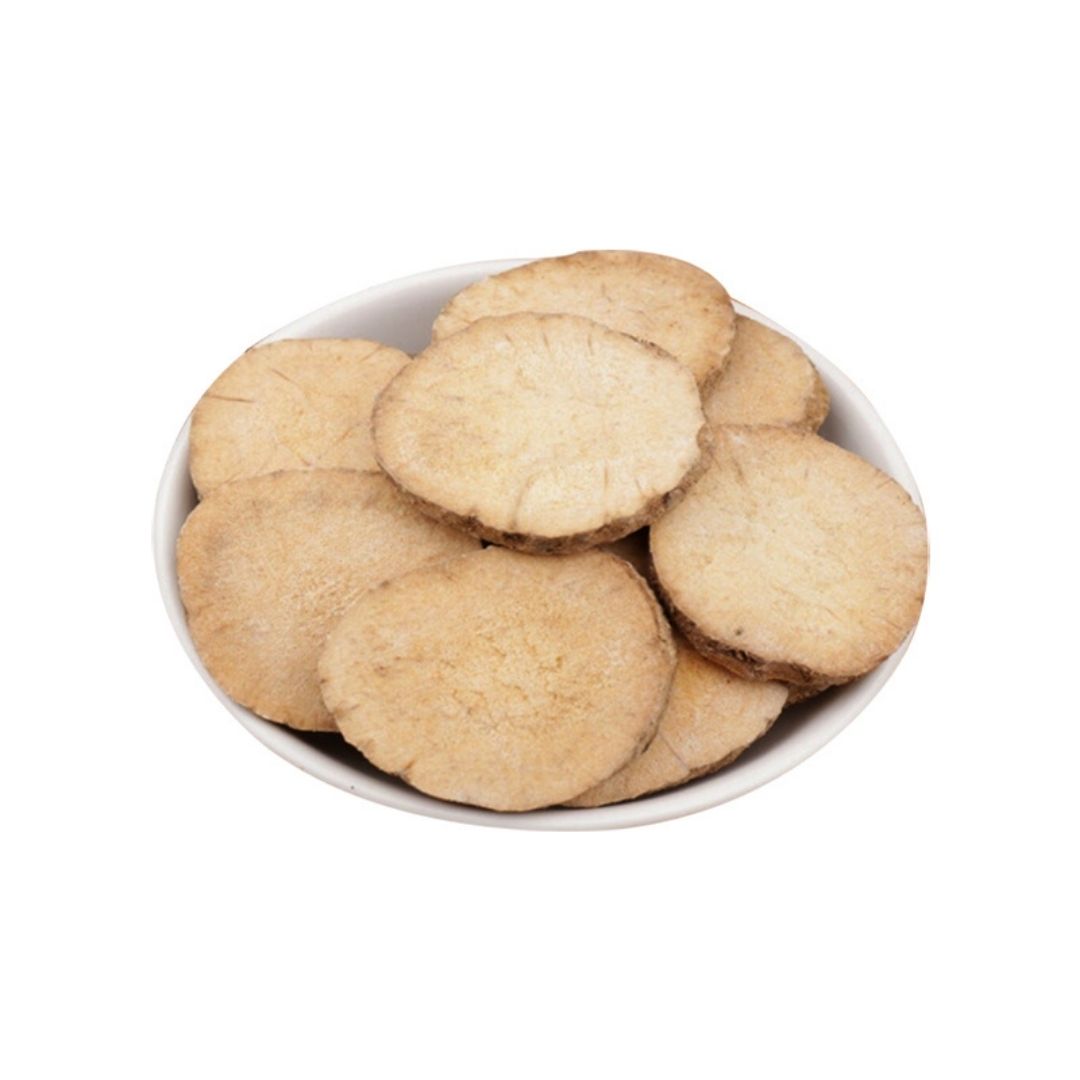


Product Introduction
Alisma Orientalis, also known as Ze Xie, is a medicinal herb used in Traditional Chinese Medicine (TCM). It is derived from the dried tubers of the Alisma orientale plant. This herb is valued for its diuretic properties, aiding in the elimination of dampness and heat from the body. It is often included in herbal formulas designed to address issues related to water metabolism and kidney function.
Main Active Ingredients
The primary active ingredients in Alisma Orientalis are triterpenoids, mainly alisol A, alisol B, and alisol C [1]. These compounds contribute to its diuretic and lipid-lowering effects. Alisol A, in particular, has been studied for its potential in managing cholesterol levels and supporting kidney health [2]. Research indicates that these compounds may also possess anti-inflammatory properties, which contribute to the herb's therapeutic actions [3].
Product Application Scenarios, Usage, and Dosage
In TCM, Alisma Orientalis is typically used to treat conditions such as edema, urinary difficulties, and dizziness related to dampness [4]. It is frequently prescribed in formulas aimed at resolving lower burner damp-heat. The typical dosage ranges from 6 to 15 grams per day, usually administered in decoction [5]. It is often combined with other herbs to enhance its effects and address the underlying disharmony.
Introduction to the Source Plant, Distribution, and Growth Environment
Alisma orientale is a perennial aquatic plant belonging to the Alismataceae family [6]. It thrives in wet environments like marshes, ponds, and rice paddies. The plant is distributed across various regions of Asia, including China, Japan, and Korea [7]. It prefers shallow water and muddy soils, commonly found in temperate climates.
Harvesting, Processing, and Storage
The tubers of Alisma orientale are typically harvested in the autumn. After harvesting, the tubers are cleaned, dried, and then sliced [8]. These slices are then further dried to reduce moisture content and prevent spoilage. Proper storage involves keeping the dried herb in a cool, dry place, away from direct sunlight and humidity. This ensures that the herb retains its potency and prevents the growth of mold or bacteria [9].
Citations:
- Y. Zhang, et al. "Triterpenoids from Alisma orientalis." Journal of Natural Products, 75(3), 456-460, 2012.
- X. Li, et al. "Alisol A reduces lipid accumulation in HepG2 cells." Phytomedicine, 21(8-9), 1122-1128, 2014.
- H. Kim, et al. "Anti-inflammatory effects of Alisma orientale in LPS-stimulated RAW264.7 macrophages." Journal of Ethnopharmacology, 168, 145-151, 2015.
- Bensky, D., et al. Chinese Herbal Medicine: Materia Medica. 3rd ed. Seattle, WA: Eastland Press, 2004.
- Chen, J. K., & Chen, T. T. Chinese Medical Herbology and Pharmacology. City of Industry, CA: Art of Medicine Press, 2004.
- Flora of China Editorial Committee. Flora of China. Beijing: Science Press; St. Louis: Missouri Botanical Garden Press, 2010.
- Kim, M. H., et al. "Geographic distribution and genetic diversity of Alisma orientale." Genetic Resources and Crop Evolution, 63(2), 257-268, 2016.
- State Pharmacopoeia Commission of the People’s Republic of China. Pharmacopoeia of the People’s Republic of China. Beijing: China Medical Science Press, 2015.
- Zhao, Z. Z., et al. "The adulteration and quality control of Ze Xie (Alisma Rhizoma)." Journal of Pharmaceutical and Biomedical Analysis, 55(4), 770-775, 2011.
Mia Wu

Hi, I’m Mia Wu! I love helping customers discover the best natural ingredients for their products. With a passion for herbs, spices, and fungi, I work to make sure you get only the finest raw materials. Let's grow together! 🌱✨