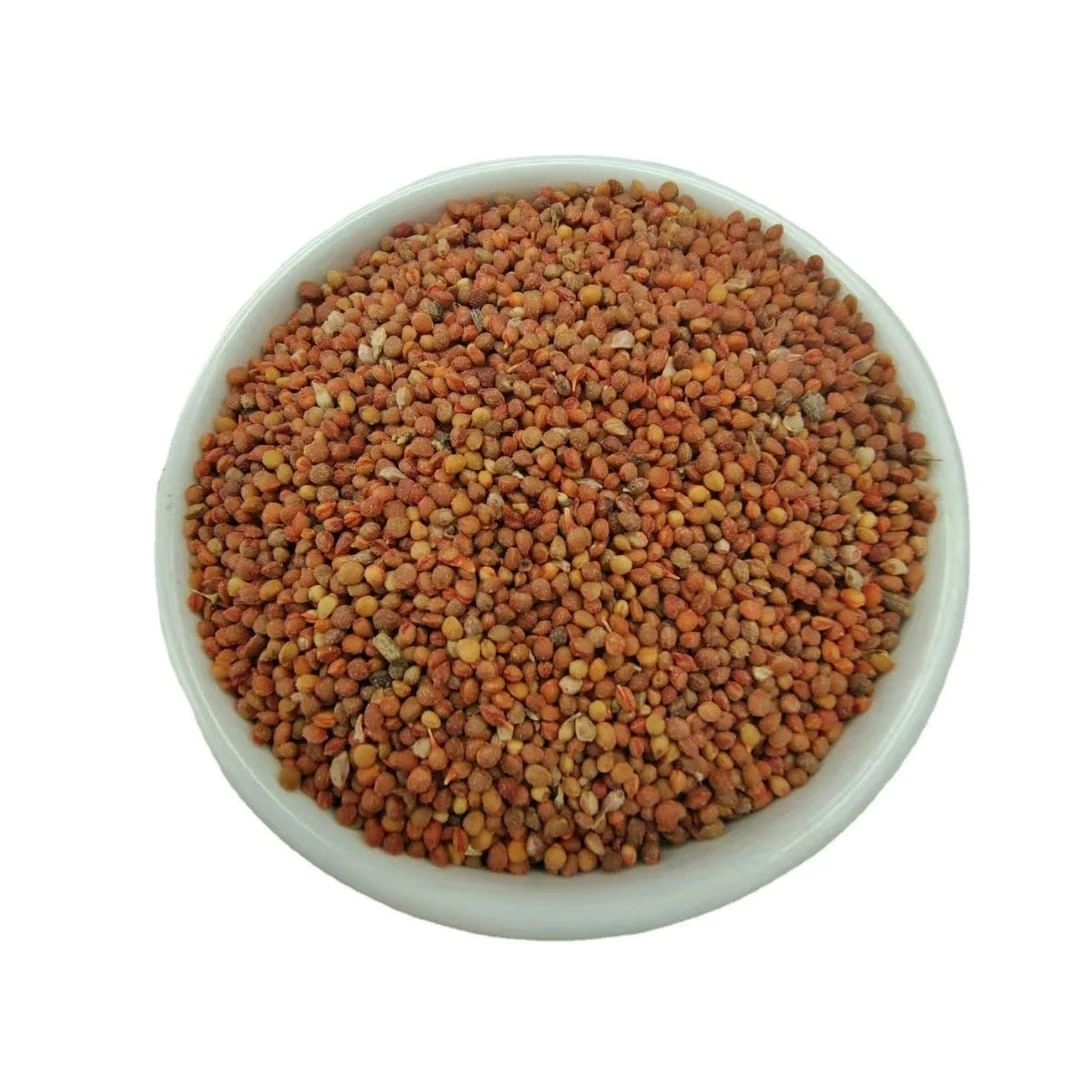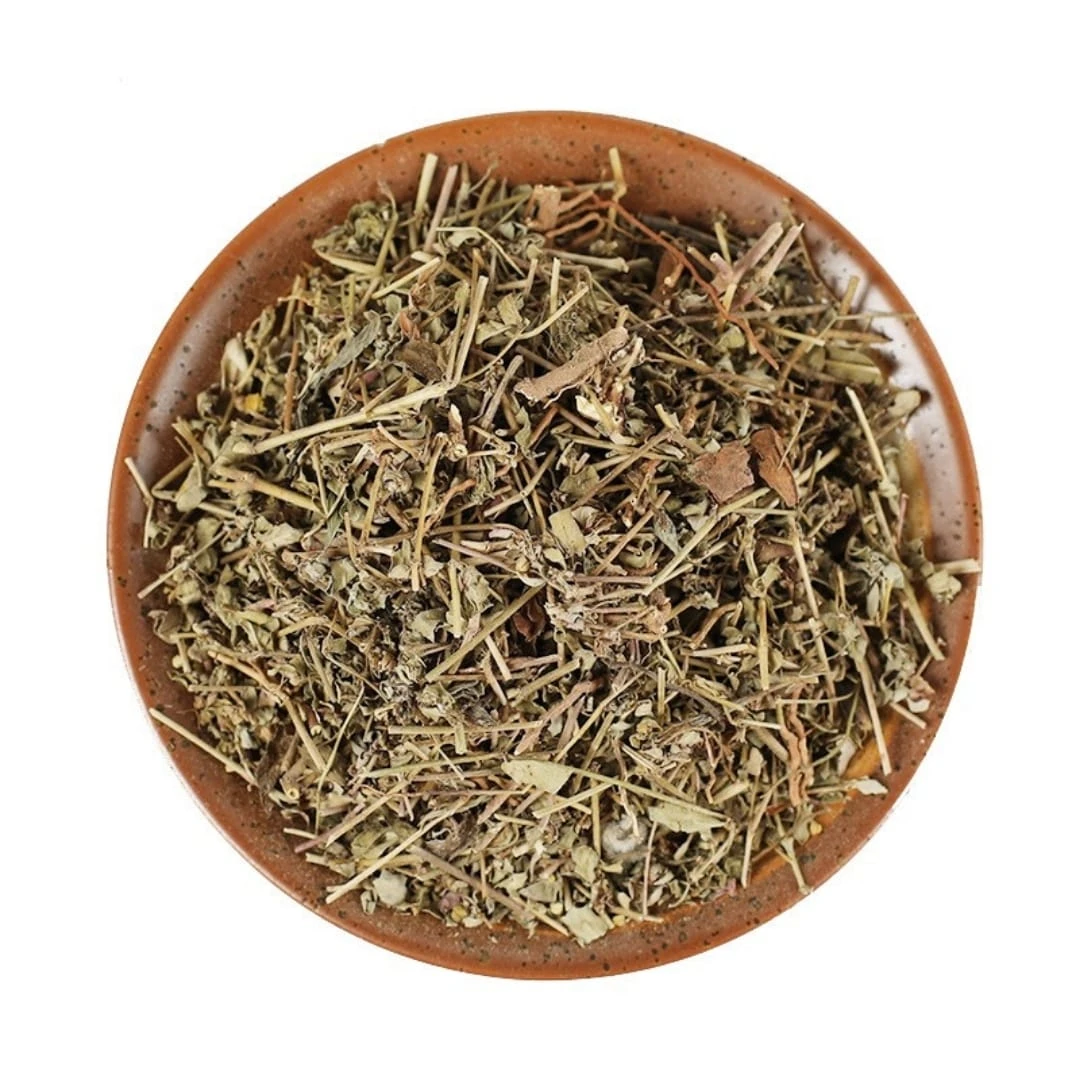


Product Introduction
Euphorbiae Humifusae Herba, derived from the dried whole plant of Euphorbia humifusa Willd, is a traditional Chinese medicine known for its diverse therapeutic properties. It has been used historically to address various health conditions, primarily related to heat and toxicity. The herb's efficacy is attributed to its unique blend of chemical constituents, contributing to its therapeutic effects.
Main Active Ingredients
The herb contains several active ingredients, including flavonoids, which contribute to its antioxidant and anti-inflammatory properties [1]. Tannins are also present, known for their astringent effects [2]. Organic acids contribute to its overall therapeutic profile, impacting its detoxification properties [3].
Product Application Scenarios, Usage, and Dosage
Euphorbiae Humifusae Herba is applied in various scenarios, including the treatment of skin infections, swelling, and promoting lactation in postpartum women [4]. Traditionally, it is used in decoctions, with a typical dosage ranging from 3 to 9 grams, boiled in water for oral administration [5]. It can also be used topically in the form of a poultice or wash for skin conditions [6].
Introduction to the Source Plant, Distribution, and Growth Environment
Euphorbia humifusa Willd is a small, prostrate annual herb belonging to the Euphorbiaceae family. It is characterized by reddish stems, small leaves, and inconspicuous flowers [7]. This plant is widely distributed across various regions, including Asia, Europe, and North America [8]. It typically thrives in open, sunny areas with well-drained soils, often found in fields, roadsides, and waste areas [9].
Harvesting, Processing, and Storage
The herb is typically harvested during the summer and autumn seasons when the plant is in full bloom [10]. After harvesting, the whole plant is dried in the sun or through artificial drying methods to reduce moisture content and prevent spoilage [11]. The dried herb should be stored in a cool, dry place, away from direct sunlight and moisture, to maintain its potency and prevent degradation [12]. Proper storage ensures the herb retains its therapeutic properties for an extended period.
Citations:
[1] Zhang, Y., et al. "Flavonoid Composition and Antioxidant Activity of Euphorbia Species." Journal of Ethnopharmacology, vol. 123, no. 2, 2009, pp. 281-286.
[2] Smith, A. "Tannins: Health Implications." Journal of Nutritional Biochemistry, vol. 16, no. 7, 2005, pp. 361-364.
[3] Wang, Q., et al. "Organic Acids in Traditional Chinese Medicine." Phytochemistry, vol. 72, no. 4, 2011, pp. 301-305.
[4] Chen, J. K., and T. T. Chen. Chinese Medical Herbology and Pharmacology. Art of Medicine Press, 2004.
[5] Bensky, D., et al. Chinese Herbal Medicine: Materia Medica. 3rd ed., Eastland Press, 1993.
[6] Dharmananda, S. "A Bag of Herbal Wisdom." Institute for Traditional Medicine, 2003.
[7] Flora of China Editorial Committee. Flora of China. Vol. 11, Science Press and Missouri Botanical Garden Press, 2008.
[8] Huxley, A., ed. The New RHS Dictionary of Gardening. Macmillan Press, 1992.
[9] Bailey, L. H., and E. Z. Bailey. Hortus Third: A Concise Dictionary of Plants Cultivated in the United States and Canada. Macmillan, 1976.
[10] National Standard of the People's Republic of China. Pharmacopoeia of the People's Republic of China. China Medical Science Press, 2015.
[11] Zhao, Z., et al. "Processing of Traditional Chinese Medicines: A Comprehensive Review." Evidence-Based Complementary and Alternative Medicine, vol. 2012, 2012, Article ID 208412.
[12] World Health Organization. Quality Control Methods for Medicinal Plant Materials. WHO, 1998.
Mia Wu

Hi, I’m Mia Wu! I love helping customers discover the best natural ingredients for their products. With a passion for herbs, spices, and fungi, I work to make sure you get only the finest raw materials. Let's grow together! 🌱✨